An unpainted metal roof can look appealing on the front end. For some projects, that raw finish is exactly the point. Owners may want a weathered look, a rustic western appearance, or a panel that feels less polished and more natural.
That interest is not new. In the 2010s, the raw, rusted look had a strong run. A lot of people wanted metal roofing and siding that looked like it would age naturally and develop character over time. That trend has shifted. Today, more projects are moving back toward painted metal roofing panels because it gives better control over appearance, performance, and long-term expectations.
Still, unpainted metal roof panels continue to come up in conversations because they can seem simpler and, in some cases, less expensive up front.
The problem is that the upfront appeal does not always match the long-term outcome.
If you are deciding between a painted and an unpainted metal roof, here are the risks worth considering before you place the order.
What are Unpainted Metal Roof Panels?
Unpainted metal roof panels are exactly what they sound like. They are panels installed without a painted finish system on top of the metal substrate. That can include metal roofing materials like Galvalume, galvanized steel, bonderized steel, or weathering steel products selected for their raw appearance rather than a coated color finish.
When you choose a painted panel, you are choosing a finished product with a defined appearance. When you choose unpainted metal, you are choosing a substrate that will show more of its natural variation and more of what happens to it during shipping, storage, handling, and installation.
That does not automatically make unpainted metal the wrong choice. It just means the margin for disappointment is usually higher if the owner expects the finished roof to look more controlled than the material actually allows.
Why Some Choose Unpainted Metal Roof Panels
There are a few common reasons unpainted metal stays in the conversation.
One is the look. Some owners want a rusted appearance or a weathered finish that feels more natural than a standard painted panel. They may be after a rustic western style or a roof that looks aged from the start.
Another is cost. In some cases, unpainted metal can come with a lower upfront price. There’s no painting or coating with raw metal roof materials, so the cost of colors and coatings isn’t a concern.
There is also the perception that raw metal is simpler. As we said, with raw metal panels, there’s no paint system, no color selection, or no extra finish layer. On paper, that can sound like a straightforward choice. But in the field, unpainted metal usually asks for more tolerance, not less. It asks the owner to accept more variation. It asks the installer to handle and store it more carefully. It also leaves less room for finishing complaints later
Risks of Using Unpainted Metal Roof Panels
When you choose unpainted metal, you ultimately choose more variability. Without the trusted protection of a painted (and warranty-protected) product, you open the product and yourself up to a wide range of risks due to the variability of raw metal roof panels. This shows up in color, weathering, jobsite damage, storage issues, and the risk of owner dissatisfaction. Let’s take a closer look so you can better understand the risks:
1. Bonderized steel creates more problems than most people expect
If there is one material worth slowing down and talking through, it is bonderized steel. Bonderized has a look that some really like. It can resemble old galvanized material. It can have that muted, weathered feel that looks more aged and less polished. For the right project, that can be appealing.
But the biggest issue is this: bonderized is designed to be painted. It is not really intended to serve as the final exposed finish the way many people try to use it. That’s because, at its core, bonderized steel is inconsistent. Having a consistent, finished appearance is the opposite of how bonderized steel performs.
When you look at an initial sample of bonderized steel, it is often a different shade when you order it. That’s due to the way bonderized steel is produced. Each production of bonderized steel is slightly different. So if a client falls in love with one particular sample of bonderized steel, know that when you order it, it will very likely not look like that shade. If you want color consistency, pick a painted panel designed to look like bonderized steel.
Additionally, if you place an order for bonderized steel and find yourself short halfway through the project, the new panels you order may also be a different shade. They will not match the original panels whatsoever. On paper, that sounds manageable. On a finished roof, it stands out immediately, making the roof look patchy, not polished.
Bonderized steel also tends to show the kinds of imperfections some people romanticize until they are actually looking at them across a full roof plane. A sample with a little variation can feel interesting. A completed roof with visible footprints, white rust, inconsistent shading, and handling marks can feel like a mistake.
If someone is not fully committed to everything that comes with that material, not just the initial look, it is usually better to move them toward another option.
2. Unpainted panels are easier to damage
Unfortunately, unpainted metal roof panels show more, and they forgive less. Unpainted roofing material does not go straight from the roll former to a perfectly finished roof. It gets loaded, unloaded, stacked, moved, lifted, staged, and walked during installation. Every step creates an opportunity for visible marking.
Wet boots, muddy shoes, fingerprints, drag marks, scratches, and handling scuffs can all become part of the finished appearance. What might go unnoticed on a painted surface can stand out on raw material.
That is where expectations matter. If the owner genuinely likes the worn-in character of raw material, those marks may not be a problem. But if they only liked the idea of a raw finish and still expected the roof to look uniform and clean, those same marks can become a major source of dissatisfaction.
For contractors, that creates an unfair situation. You can install the material correctly and still end up answering for appearance issues that are part of the product itself.
3. Many unpainted materials do not come with the same warranty protection
This is one of the clearest advantages painted panels have over an unpainted metal roof. Painted systems generally come with finish-related warranty coverage tied to things like chalk, fade, and film integrity. That does not mean every cosmetic concern is covered, but it does mean there is a defined finish system and a defined set of expectations behind it.
With unpainted products, that layer of protection often is not there. Cor-Ten, bonderized, and galvanized materials typically do not carry the same kind of substrate or finish warranty protection that painted panels do because of how susceptible they are to damage, appearance change, etc. If a roof is sold on the promise of a certain look, but the material has no real finish warranty standing behind that look, the owner may feel like they were sold certainty on top of a product that is inherently variable.
That’s why the moment appearance becomes part of the sales conversation, it’s best to point toward choosing a painted, not an unpainted panel. That way, the roof’s owner has less risk invested in their roof, and metal roof contractors are not as exposed to the fallout of dealing with complications from installing a highly variable metal panel not covered by a warranty.
4. Wet stacking can damage panels before they are ever installed
Wet stacking is one of the most common problems with unpainted metal, and one of the easiest to underestimate. Wet stacking is a type of metal panel corrosion that happens when moisture gets trapped between tightly stacked or bundled metal panels. When the moisture sits between the panels without air circulation, it causes a white rust (oxidized zinc coating) to form across the panels. If left unchecked, this white or grayish powder deposit can eventually eat through the panels, reducing the lifespan of the pane.
It does not take extreme rain or snow to cause wet stacking. Condensation can do it. Moisture can get trapped during transport, outdoor storage, or jobsite staging, and once it sits between panels, it can lead to white rust and staining.
The material can be damaged from an appearance standpoint before it ever reaches the roof. If bundles are stored improperly, left without enough airflow, or exposed to moisture and temperature swings, problems can start quietly and then show up later when panels are separated and installed. At that point, you are no longer talking about prevention. You are talking about visible evidence on the finished material.
For teams trying to keep projects moving, that can turn into lost time, difficult conversations, and a decision about whether to install compromised material or delay the job.
5. In the worst case, complaints can turn into claims and conflict
A lot of unpainted metal issues are not structural failures. They are expectation failures. But that does not make them small.
If the owner thought they were getting a clean, controlled finished roof and instead gets visible variation, white rust, foot traffic marks, or mismatched reorder panels, they may not care that the material is technically performing as intended. They care that it does not look like what they believed they approved.
That is where callbacks happen, blame starts moving around, and contractors end up defending a material choice that should have been explained more clearly at the beginning.
If a homeowner or building owner insists on bonderized or another high-risk raw finish, it is important to document that conversation and set realistic expectations before the order is placed. That is not being overly cautious. That is protecting the job and protecting your team from getting pulled into a finish dispute later.
Pros of Using Painted Metal Roof Panels
Painted panels solve a lot of the problems that make unpainted products risky.
First, they offer more consistency. If the goal is a controlled appearance across the roof, painted panels are the better path.
Second, they come with finish-related warranty protection that unpainted products typically do not. Coverage for chalk, fade, and film performance gives owners and contractors a clearer understanding of what to expect.
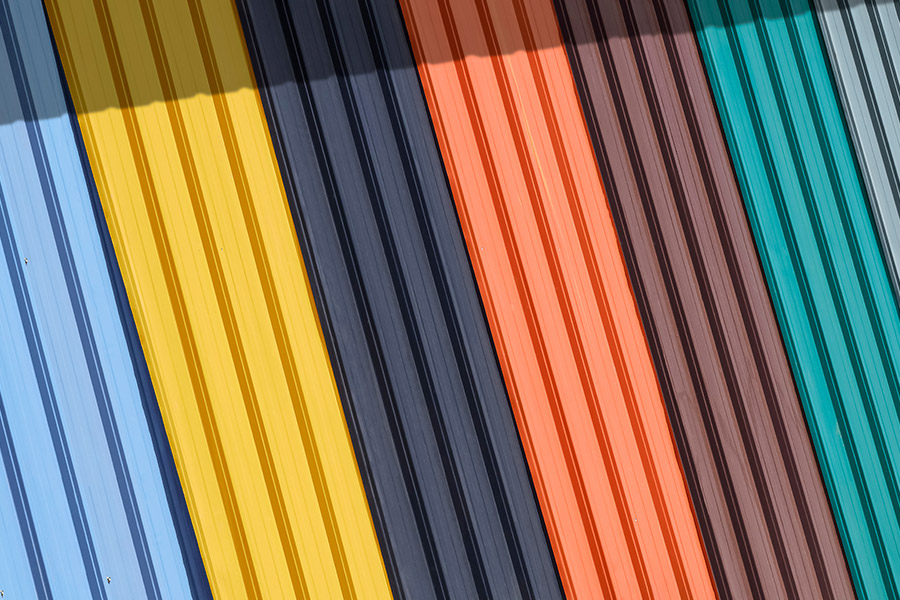
Third, painted options now cover a lot of the same visual territory that used to push people toward raw material. If someone wants a rusted look, there are painted rust options. If they like the muted look of bonderized, there are painted alternatives that create a similar effect with better consistency.
That is the bigger point. For almost every raw look someone wants, there is usually a painted option that gets them close without the same level of risk.
That is why it makes sense to put time into painted options first before defaulting to raw material.
Best Practices for Using Unpainted Metal Roof Panels
If a project is still moving forward with unpainted metal roof panels, a few best practices matter:
- Choose the right material. Galvalume is typically a better option than bare galvanized steel when corrosion protection matters.
- Minimize foot traffic during installation. Wet or muddy boots can leave marks, and unnecessary traffic increases the chances of scratching the surface.
- Use compatible fasteners and accessories. Material compatibility still matters, especially when corrosion is a concern.
- Store bundles correctly. Keep moisture out, allow ventilation, and pay close attention to condensation risk, not just rain or snow.
- Most of all, make sure the owner understands what they are getting. On unpainted metal, appearance changes are not the exception. They are part of the product.
Do This Before Deciding Between Painted vs Unpainted Panels
Before you decide between a painted or unpainted metal roof, slow the conversation down and answer a few practical questions.
1. Talk Over Appearance Expectations
Does the owner truly want variation, weathering, footprints, and an evolving finish? Or do they want a roof that looks raw in theory but still performs visually like a painted product? These questions can impact whether someone wants a painted vs unpainted metal roof panel.
2. Look at Project Risk
If the job has tight visual standards, phased ordering, difficult storage conditions, or an owner who is sensitive to finish variation, unpainted material may not be the right fit.
3. Schedule a Consultation
If you are weighing painted versus unpainted panels for a project, it helps to talk through the material before ordering your metal roofing.
At Great Northern Metal Company, we can help you compare substrates, review appearance expectations, and identify where a painted panel may give you a better result with fewer issues down the line.
Let’s Talk Panels: Call Us Today
Call us today or schedule a consultation to talk through your roofing project and decide which option makes the most sense for the job.