Metal Paneling for Interiors: What Works, What Doesn’t, and Why It Matters

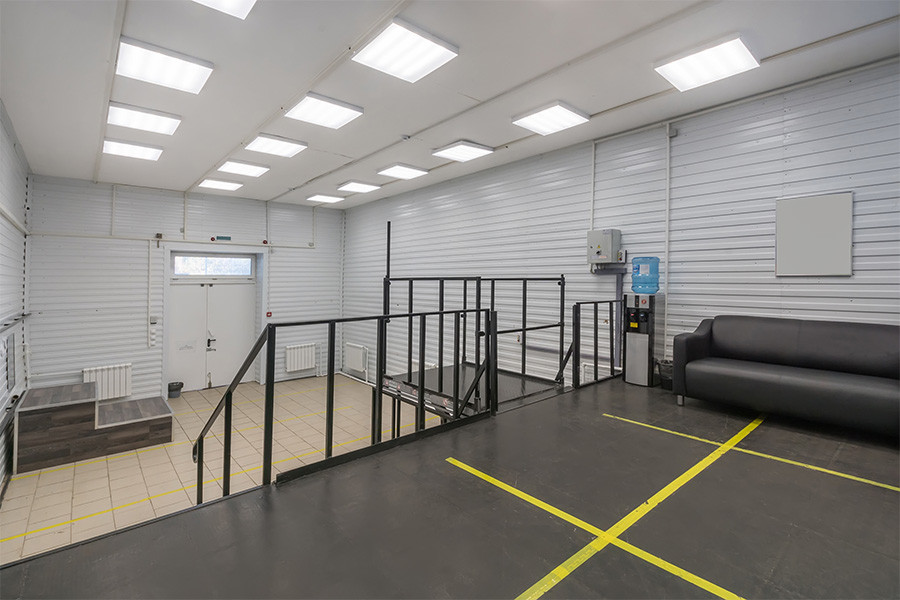
Warehouse break room with Metal Paneling for Interiors

Think metal panels are just for roofs? Think again. Interior metal panels are the often-overlooked workhorse for many commercial and utility-driven spaces. From accent pieces to fully lining the interiors of workshops, metal paneling provides a durable, easy-to-clean surface that can brighten up even the gloomiest spaces.

That said, interior paneling is often left as an afterthought, and that’s where problems start. Rushed orders, mismatched specs, or awkward installs can slow down a project that should have been straightforward. The fix? Make interior panel planning part of the early conversation, ideally while you’re framing or ordering materials.

Below, we’ll walk through what metal panels work best inside, what to avoid, and how early planning leads to better installs and fewer surprises.

The Must-Know Details for Metal Paneling for Interiors

Common Interior Applications for Metal Panels

  • Full or Partial Wall Paneling
    • Shops, garages & pole barns
    • Warehouses & industrial facilities
    • Airplane hangars & wash bays
    • Ceilings
  • Accent Pieces
    • Wainscotting
    • Backsplashes
    • Accent walls
    • Fireplace surround
    • Breakfast bar wrap

Which Panel Types Work Best Indoors?

Not every metal panel profile is ideal for interior use. Over years of experience, a few profiles have emerged as the top choices for interior walls and ceilings:

Tuff Rib 3′ Panel (28-gauge White Liner)

This is a classic 36-inch wide, exposed-fastener panel with ribs (often 3/4″ high) spaced about 9″ apart. Tuff Rib is commonly used for interior ceilings in shops and garages. It’s typically supplied in a bright white factory liner finish, which is interior-grade paint. At 28-gauge steel, it’s lightweight yet sturdy enough for ceilings when attached to trusses or ceiling purlins at appropriate intervals.

Low-Profile Panel (“Low Pro”)

Low Pro is a flat (or very low rib) panel that is popular for interior walls. It gives a nice, clean look with minimal corrugation. Low Pro panels are easier to wipe down and great for creating a bright, clean shop interior. However, you should avoid using low-profile panels on ceilings. They have limitations in length and load capacity. In practice, Low Pro panels do not typically run longer than about 15–16 feet. Trying to span a large ceiling with them can lead to seams (if you have to splice panels) and potential sagging if the panel isn’t rigid enough over a long, unsupported span. Save the Low Pro for the walls, and use a stiffer profile for the ceiling.

1/4″ Corrugated Panel

Corrugated metal with a very shallow corrugation (around 1/4″ high) is often used for accent areas and aesthetic touches. It might cover a feature wall, backsplash, or wainscot in an entryway or retail space to add texture and a modern-rustic vibe. The shallow corrugation is easier to install over existing surfaces as a retrofit accent, but it’s not as commonly used for full shop interiors due to its higher cost (per coverage area) and more decorative purpose. When used, it’s usually in smaller areas or partial walls to draw the eye.

A Note on Interior Metal Wall Finishes

Most interior metal panels come with a bright white polyester finish on the visible side, often called “white liner.” This is an interior-only coating, a cheaper, non-weatherized paint that isn’t meant to withstand UV exposure or harsh outdoor conditions. The upside is that it’s very bright (high reflectivity, which helps illuminate the building’s interior. The downside is you should never use interior-grade panels on an exterior-facing job (they’ll discolor and degrade).

Also, color selection for liner panels is usually limited (standard white is by far the most common, with maybe a couple of neutral options). This isn’t usually a problem, since inside a shop or barn, brightness and practicality matter more than color. Just be aware that the white liner panels you get for your interior won’t have the same paint system as an exterior roof or siding panel.

3 Installation Tips That Aren’t in the Guidebooks

Installing metal panels indoors comes with its own set of considerations. The manufacturer’s installation manual might not spell out every little trick, so here are a few pro tips to keep in mind:

1. Sheet Your Walls Before Paneling

One common technique is to install sheathing (like OSB or plywood) on the interior framing before you put up metal wall panels. Having a solid backing behind the thin metal allows you to fasten the panels wherever needed and provides something for screws to bite into besides just a narrow stud. Interior liner panels often have specific fastener spacing (for example, screws every so many inches along the panel’s width and length). If you only have vertical studs and no continuous backing, you might find that the spot where a screw should go doesn’t line up with a stud. By sheathing or at least running horizontal strapping, you gain flexibility in fastener placement and a sturdier wall overall. This step isn’t always explicitly in the installation guide, but experienced builders know its value.

2. Plan Panel Orientation with Your Framing

Typically, interior wall panels are run vertically (floor to ceiling), just like exterior siding, for a clean look and easier draining of any condensation. However, if your walls are not sheeted and you only have bare studs, you might consider running panels horizontally in some cases. Horizontal paneling can be installed such that each panel spans across multiple studs, allowing you to anchor it along each stud line. This is an uncommon approach (vertical is preferred), but it illustrates why thinking about orientation early is important. The key is to frame and prepare so that you can run panels the way you want. That usually means adding backing or extra studs/blocking so you can confidently screw the panels in place. Nothing’s worse than discovering after the fact that you have no support behind the middle of a panel because of how it aligns with the structure.

3. Account for Trusses, Spacing and Insulation

Look up at the ceiling structure and consider how it will support interior panels. How far apart are your roof trusses or ceiling joists? If you have wide truss spacing (say 4 feet or more), an interior liner panel (especially a light gauge one) will sag under its own weight or under insulation unless you add some supports. Many builders will run ceiling purlins or strapping across the trusses to screw the ceiling panels to, which is required if truss spacing is beyond a certain span.

Also, think about insulation: if you plan to blow in a foot of insulation on top of a ceiling panel, that panel had better be strong enough or well-supported enough to hold it. These considerations might not be obvious from a generic install guide, but on real jobs they’re critical.

Common Mistakes to Avoid with Interior Metal Panels

Everyone makes mistakes, but you can avoid a few common ones when it comes to ordering and installing interior metal panels. Here are some frequent pitfalls and how to steer clear of them:

  • Ordering Panels That Are Too Long (or Too Weak) for Ceilings: Always check the maximum recommended length for the panel profile and gauge you’re using. In many cases, 15-16 feet is the practical max length for low-profile interior panels. If your building is wider than that, you either need to lap two pieces (not ideal on a ceiling) or choose a heavier-duty panel that comes in longer lengths. Similarly, using a panel that isn’t designed to carry loads (like heavy insulation) across a wide bay is asking for sagging or failure.
  • Using a Low-Pro Panel in High-Load or Wide-Span Situations: Don’t put a weak panel where a strong panel is needed. A prime example is using a low-profile 29 or 28-gauge liner on a ceiling with trusses 4-5 feet apart, which holds a pile of blown-in insulation. That panel could oil-can or even bow under the weight over time. Likewise, if you have a very tall wall and you’re running panels full height, a heavier gauge panel might be advisable to avoid ripples or damage during installation. If in doubt, upgrade to a sturdier profile.
  • Assuming Interior and Exterior Panels Are Interchangeable: Not all metal panels are interchangeable. Using interior-grade panels or trim outside will lead to rapid paint failure (fading, chalking) and potentially corrosion issues. Conversely, you might think of using an exterior panel indoors just because you have it; while that works structurally, you might be needlessly spending more, or the exterior panel’s paint system might not look great indoors under certain lighting. Ask your supplier if a panel is interior-only. If it is, keep it inside.
  • Neglecting to Plan for Panel Layout During Framing: If you frame or build out a space without thinking of how the interior panels will attach, you could end up with awkward details, like forgetting to add backing or blocking at panel seams. To avoid this, integrate the interior panel plan into your framing plan.

Getting the Right Interior Metal Panel for the Job

Every project is a bit different, so choosing the best interior panel and installation method means asking the right questions before ordering your panels. Here are some of the questions to ask to make sure you get the right panel for the job:

1. Did you (or will you) sheet the walls?
If your walls are sheathed with OSB, plywood, or drywall, you’ve got flexibility. Most panels will work vertically with solid fastener support. No sheathing? You’ll need to match rib spacing to studs or add furring strips. In general, sheathing first makes things easier.

2. What’s the truss or framing spacing for the ceiling?
Tighter framing (2′ on center) means most panels will span fine. For wider trusses (4’–8′ apart), you’ll need either additional support (like purlins) or a stronger panel like PBR. Using the right panel prevents sagging or insulation issues down the line.

3. Will there be insulation?
Blown-in or batt insulation adds weight and changes how panels perform. Some lighter profiles won’t hold up without extra support. Let your supplier know if insulation is involved so they can recommend a heavier gauge or added bracing.

4. How tall are the walls, and are you paneling all the way up?
If you’re just covering the bottom 8 feet, we can suggest a cost-effective panel and finishing trim. For full-height walls, we’ll need to plan for longer cuts or stacked panels with trim between them. Clear wall height upfront helps avoid sizing mistakes.

5. Are there any special conditions?
Is the area you are paneling exposed to high moisture or chemicals? You may need galvanized or PVC-coated panels instead of standard white. Unusual environments like wash bays, horse arenas, or well houses often require specific finishes. Always flag these early so we can guide you to the right option.

Need a Hand Before You Get Started?

Interior paneling projects can come with a few curveballs, but most of them are easy to avoid with a little planning. A short call or in-person chat with our team can help make sure everything lines up: the panel type, the length, the install plan, and what’s going behind it. At Great Northern Metal Company, we’ve supplied interior metal paneling for all kinds of shop interiors, pole barns, and everything in between.
Contact us today to set up a consultation.

What Is Sealant for Metal Roofing?

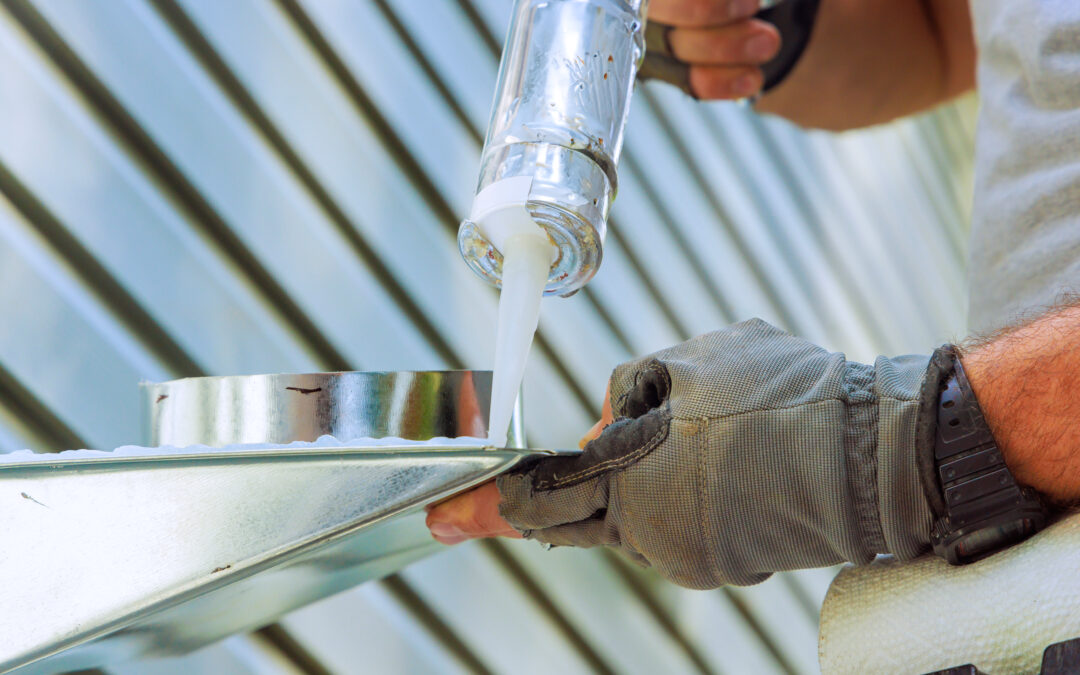
Metal roof sealant helps seal seams, joints, gaps, and other areas where water or air could enter a roofing system. Most gun-grade sealants are applied from a tube and form a bead over or within a joint. Depending on the formulation, the material may remain permanently pliable or cure into a flexible seal.

For metal roofing, flexibility matters. Panels naturally move as temperatures rise and fall, so a sealant used at a moving joint needs to accommodate that movement without losing adhesion. 

The location of the seal matters too. A product used at an exposed seam may need different properties than one placed inside a concealed joint.

Sealant also should not be treated as a substitute for proper flashing, fastening, or panel installation. It works as part of the roofing system, not as a fix for a detail that was built incorrectly.

What Is Butyl Tape for Metal Roofing?

Butyl tape is a preformed sealing material typically installed between two roofing components. Instead of applying a bead from a tube, the installer lays a continuous strip of tape along the joint before the materials are fastened together. That makes it especially useful at concealed laps and other locations where two metal surfaces come together.

Butyl stays flexible, which helps it maintain a seal as a metal building experiences normal movement. There are also expanding sealant tapes that serve a similar purpose while filling irregular gaps and accommodating movement within the joint.

Sealant vs. Butyl Tape

The simplest way to think about the difference is application.

Gun-grade sealant works well when you need to apply a bead into a seam, joint, or gap. Butyl tape works well when you need a continuous seal between overlapping or adjoining components.

One is not automatically better than the other. The roof detail determines which type makes sense.

Metal Roof Sealant vs. Butyl Tape: Which Should You Use?

Different roof details put different demands on the sealing product.

Application

Product Type to Consider

Filling a seam or joint

Gun-grade sealant

Sealing a concealed metal lap

Butyl tape

Joint that moves with expansion and contraction

Flexible sealant or expanding sealant tape

Continuous seal between two components

Butyl tape

Irregular gap that needs to be filled

Gun-grade sealant or expanding tape

Detail exposed to wide temperature changes

Product rated for the expected temperature range

These are general guidelines. Always check the roofing-system requirements and the manufacturer’s installation instructions before choosing a product.

4 of the Top Metal Roof Sealants and Butyl Tapes

The right product depends on the joint, expected movement, temperature conditions, and whether the seal will be exposed or concealed.

Here are four options GNMC has tried, tested, and trusts so much that we chose to carry them at our shop.

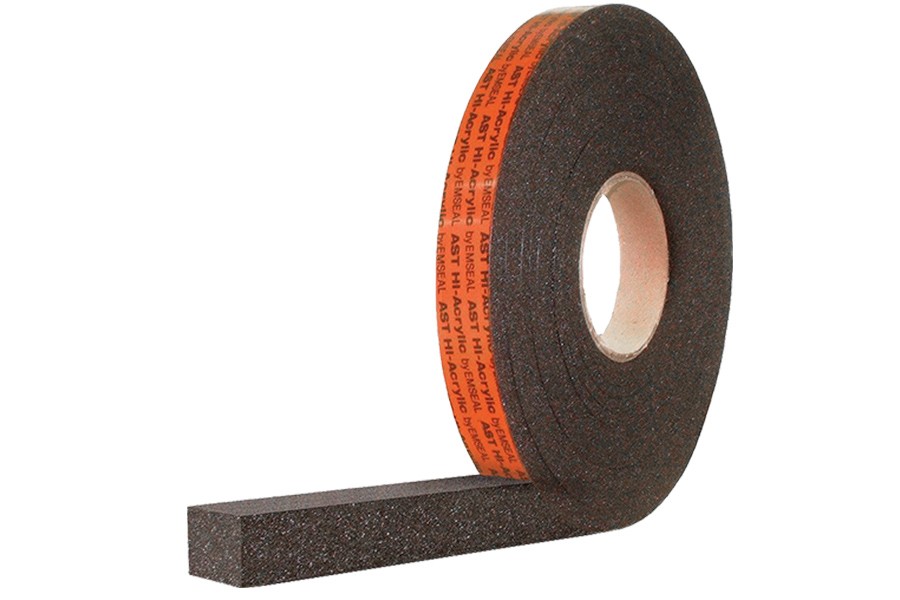
1. EMSEAL AST Hi-Acrylic Sealant Tape

Best for: Expansion joints, lap seams, and joints that need to accommodate movement.

EMSEAL AST Hi-Acrylic Sealant Tape is a self-adhering, open-cell polyurethane foam tape impregnated with acrylic-modified asphalt.

Unlike a standard flat tape, EMSEAL AST gradually expands after it is removed from its packaging. That allows it to conform to the joint and fill gaps along irregular surfaces. For metal roofing and metal buildings, that can be particularly useful around details affected by thermal expansion and contraction.

Emseal AST

Why It Works Well With Metal Roofing

One of EMSEAL AST’s biggest advantages is its ability to move with the building. The tape conforms to contours and maintains a seal as metal panels expand and contract. It is designed to help keep out dust, air, wind-driven snow, and moisture through joint details.

It also does not dry out and become hard or brittle over time. Because the material remains compressed within the joint, it is designed to stay in place rather than squeeze out the way some caulks or butyl products can.

Its resistance to UV exposure, aging, and mildew also makes it well suited to demanding exterior applications.

Common Applications

EMSEAL AST can be useful for:

  • Expansion and compression joints
  • Lap seams
  • Mechanically fastened joints
  • Irregular gaps
  • Metal building details where movement needs to be accommodated

It can also be used alongside several common building materials, including metal, plastic, wood, and concrete.

Interested in EMSEAL AST? Contact GNMC

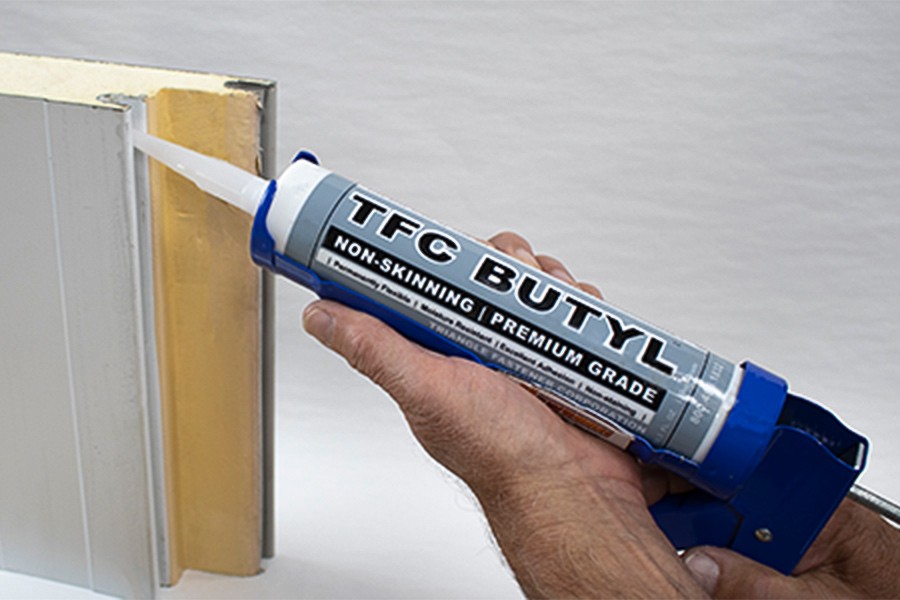
2. TFC BUTYL™ Sealant

Best for: Metal panel joints that need a permanently pliable, gun-grade sealant.

TFC BUTYL™ is a single-component butyl-based sealant designed specifically for strong adhesion to metal panels.

Its biggest distinction is that it remains permanently pliable. It does not skin over into a hard surface, which allows the material to continue moving with the joint after installation.

Why It Works Well With Metal Roofing

Metal panels do not stay perfectly still over the life of a building. Temperature changes create movement, and joints need a sealing product that can handle it.

TFC BUTYL remains flexible and moisture-resistant, which makes it useful for metal panel details where a rigid sealant would not be appropriate.

It also meets or exceeds AAMA 809.2 and is available in gray or white.

Installation Matters

Good adhesion starts with a clean surface. Before applying TFC BUTYL, the substrate should be dry and free from frost, oil, grease, incompatible coatings, or other contaminants that could interfere with adhesion.

The product is applied using a standard caulking gun and can be tooled after application if needed.

It is also worth paying attention to storage. TFC BUTYL should be kept in a controlled, dry environment below 75°F and used within 12 months of manufacture.

One other detail to know before choosing it: TFC BUTYL is not paintable.

Ask GNMC about TFC BUTYL™.

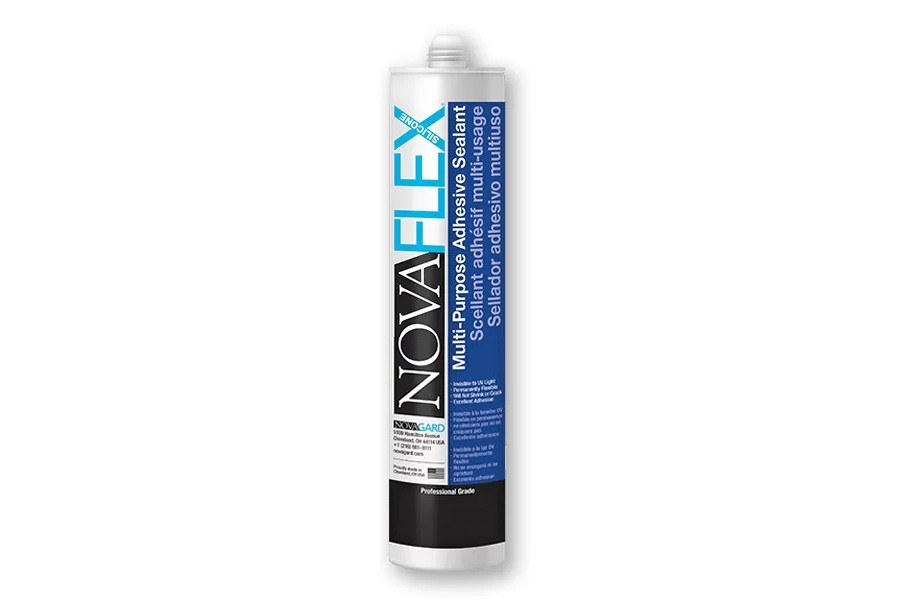
3. NovaFlex Metal Roof & Panel Adhesive Sealant

Best for: Seams, panel joints, and gaps that need a flexible cured sealant.

NovaFlex Metal Roof & Panel Adhesive Sealant is a single-component silicone sealant and adhesive commonly used as a seam sealant or joint filler in metal roofing and panel systems.

It is non-corrosive and non-sag, making it useful where contractors need a gun-grade product that will stay where it is placed.

Why It Works Well With Metal Roofing

Temperature range is one of NovaFlex’s standout characteristics. The product can be applied at temperatures from -20°F to 160°F and has a service temperature range of -40°F to 400°F.

That broad range is useful for metal roofing, where surfaces can experience substantial temperature swings.

NovaFlex also offers good adhesion to common building materials and can bridge gaps up to 3/8 inch. Its exterior weathering and aging performance make it suited to exposed building applications.

Where NovaFlex Makes Sense

Contractors may consider NovaFlex for:

  • Metal roof seams
  • Panel joints
  • Joint filling
  • Small gaps
  • Details exposed to wide temperature swings

It remains flexible at temperatures down to -10°F and is freeze-thaw stable. There are a couple of limitations worth knowing before installation. NovaFlex is not recommended for joints that will be submerged underwater, and it should not be used on surfaces that will later be painted.

Cure time also depends on temperature and humidity, so installers should account for site conditions and follow the product instructions.

Contact GNMC about product availability.

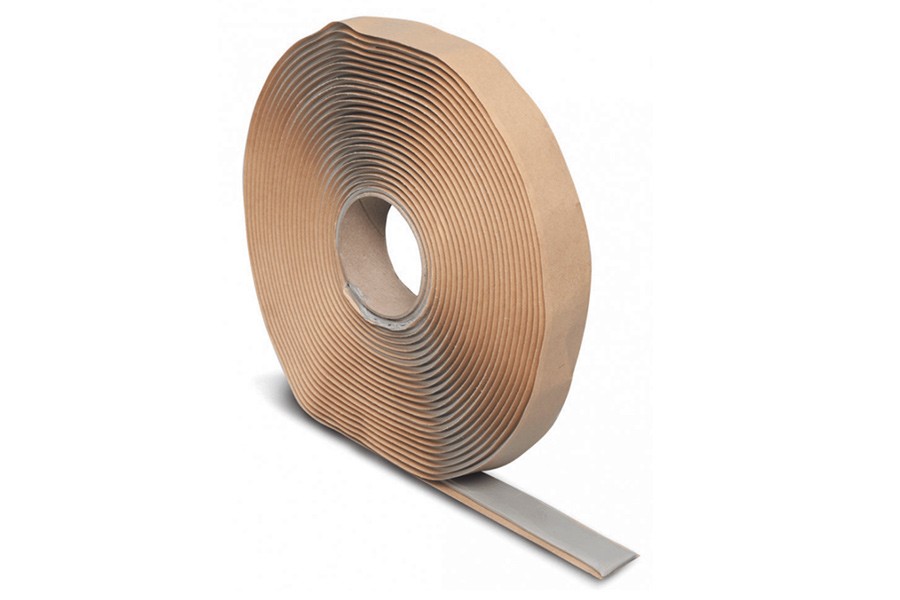
4. MB-10A Butyl Tape

Best for: Concealed metal building joints that need a continuous, flexible seal.

MB-10A Butyl Tape is an elastomeric butyl rubber sealant specifically designed around the requirements of metal buildings.

It comes extruded on silicone-coated release paper, which makes it straightforward to position during installation. It is also produced in different sizes and lengths to suit a range of applications.

Why It Works Well With Metal Roofing

MB-10A is designed to maintain its seal through normal building movement. Its combination of adhesive strength and cohesive strength helps the tape stay together and stay bonded as the assembly moves.

Temperature performance is another important benefit. MB-10A is designed to withstand extreme roof temperatures while maintaining compressibility in colder conditions. It also offers resistance to UV light and cold flow.

Those characteristics matter on metal buildings, where the material may experience a wide range of temperatures throughout the year.

Common Applications

MB-10A may be a good fit for:

  • Concealed panel laps
  • Metal building joints
  • Overlapping components
  • Details requiring a continuous butyl seal
  • Joints affected by normal building movement

Choosing the right tape size is important. The joint needs enough material to create the intended seal without using so much that the tape squeezes excessively out of the detail.

Inquire about MB-10A Butyl Tape

What to Consider Before Choosing a Metal Roof Sealant

Before grabbing a tube or roll, look at what the joint actually needs and ask yourself the following questions:

    1. How Much Will the Joint Move? Metal panels expand and contract as temperatures change. A sealing product at a moving joint needs enough flexibility to accommodate that movement.
    2. What Temperatures Will the Product See? Metal roof surfaces can get hot, and Montana projects can also see very cold conditions. Check the product’s application temperature separately from its service temperature. A sealant may perform across a wide temperature range once cured while still having specific limits for installation.
    3. Is the Joint Exposed or Concealed? A concealed panel lap has different needs than an exposed seam. Butyl tape is often a practical choice where two materials are compressed together. A gun-grade sealant may make more sense when a seam or gap needs to be filled from the outside.
    4. What Materials Is the Product Touching? Always check compatibility with the metal substrate and any adjoining materials. A product that adheres well to bare metal may have different requirements around painted finishes, other coatings, plastics, or masonry.
    5. Will the Surface Be Painted? Some sealants are not paintable. Both TFC BUTYL and NovaFlex have limitations that should be understood before choosing them for a detail that will receive a finish later.
    6. What Does Installation Require? Good products still need good installation. Surface preparation, storage, bead size, compression, and cure time can all affect the finished seal. Read the product instructions before installation instead of assuming every sealant or tape works the same way.

Frequently Asked Questions About Metal Roof Sealants and Butyl Tape

What is the best sealant for a metal roof?

The best metal roof sealant depends on where it will be used. Gun-grade sealants can work well for seams and joints, while butyl tape is commonly used between overlapping components or in concealed joints. Movement, temperature, substrate compatibility, and exposure should all factor into the decision.

Is butyl tape good for metal roofing?

Yes. Butyl tape is well suited to many metal roofing details because it creates a continuous seal between components while remaining flexible enough to accommodate normal building movement.

Is sealant or butyl tape better for a metal roof?

Neither option is better for every application. Butyl tape is often used inside laps and concealed joints, while gun-grade sealants are useful for filling seams, joints, and gaps. Some details may use both as part of the roofing system.

Does metal roof sealant need to stay flexible?

For joints that experience movement, flexibility is important. Metal panels expand and contract as temperatures change, so the sealing product needs to accommodate the expected movement without losing adhesion.

Can you use any silicone sealant on a metal roof?

No. Use a sealant that is compatible with the roofing material, coating, joint design, and expected temperatures. The product instructions and roofing-system requirements should guide the choice.

Need Metal Roof Sealant or Butyl Tape for Your Next Project?

Great Northern Metal Company carries EMSEAL AST, TFC BUTYL™, NovaFlex, and MB-10A Butyl Tape for a range of metal roofing and metal building applications.

Tell our team what detail you are working on and what you need the product to do. We can help you review the options GNMC carries and get the right product information before you place an order.

Inquire About Metal Roof Sealants

Additional Resources

Guides and How-tos
4 Tried and Tested Metal Roof Sealants and Butyl Tapes

4 Tried and Tested Metal Roof Sealants and Butyl Tapes

A metal roof is only as watertight as its details. Seams, laps, joints, penetrations, and other connection points all create places where moisture can work its way into the roofing system if they are not sealed correctly. Metal also expands and contracts as...

We Have Got You Covered

Count on Great Northern Metal Company for Expert Metal Roofing Services

Have Questions? Contact Us