The 5 Risks of Using Unpainted Metal Roof Panels

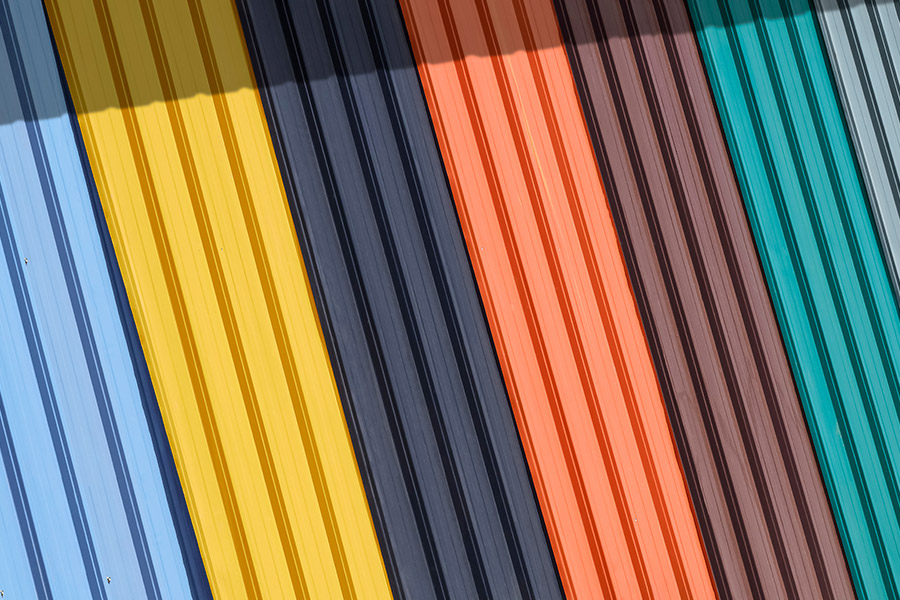
Colored metal roof panels leaning against wall

An unpainted metal roof can look appealing on the front end. For some projects, that raw finish is exactly the point. Owners may want a weathered look, a rustic western appearance, or a panel that feels less polished and more natural.

That interest is not new. In the 2010s, the raw, rusted look had a strong run. A lot of people wanted metal roofing and siding that looked like it would age naturally and develop character over time. That trend has shifted. Today, more projects are moving back toward painted metal roofing panels because it gives better control over appearance, performance, and long-term expectations.

Still, unpainted metal roof panels continue to come up in conversations because they can seem simpler and, in some cases, less expensive up front.

The problem is that the upfront appeal does not always match the long-term outcome.

If you are deciding between a painted and an unpainted metal roof, here are the risks worth considering before you place the order.

What are Unpainted Metal Roof Panels?

Unpainted metal roof panels are exactly what they sound like. They are panels installed without a painted finish system on top of the metal substrate. That can include metal roofing materials like Galvalume, galvanized steel, bonderized steel, or weathering steel products selected for their raw appearance rather than a coated color finish.

When you choose a painted panel, you are choosing a finished product with a defined appearance. When you choose unpainted metal, you are choosing a substrate that will show more of its natural variation and more of what happens to it during shipping, storage, handling, and installation.

That does not automatically make unpainted metal the wrong choice. It just means the margin for disappointment is usually higher if the owner expects the finished roof to look more controlled than the material actually allows.

Why Some Choose Unpainted Metal Roof Panels

There are a few common reasons unpainted metal stays in the conversation.

One is the look. Some owners want a rusted appearance or a weathered finish that feels more natural than a standard painted panel. They may be after a rustic western style or a roof that looks aged from the start.

Another is cost. In some cases, unpainted metal can come with a lower upfront price. There’s no painting or coating with raw metal roof materials, so the cost of colors and coatings isn’t a concern.

There is also the perception that raw metal is simpler. As we said, with raw metal panels, there’s no paint system, no color selection, or no extra finish layer. On paper, that can sound like a straightforward choice. But in the field, unpainted metal usually asks for more tolerance, not less. It asks the owner to accept more variation. It asks the installer to handle and store it more carefully. It also leaves less room for finishing complaints later

Risks of Using Unpainted Metal Roof Panels

When you choose unpainted metal, you ultimately choose more variability. Without the trusted protection of a painted (and warranty-protected) product, you open the product and yourself up to a wide range of risks due to the variability of raw metal roof panels. This shows up in color, weathering, jobsite damage, storage issues, and the risk of owner dissatisfaction. Let’s take a closer look so you can better understand the risks:

1. Bonderized steel creates more problems than most people expect

If there is one material worth slowing down and talking through, it is bonderized steel. Bonderized has a look that some really like. It can resemble old galvanized material. It can have that muted, weathered feel that looks more aged and less polished. For the right project, that can be appealing.

But the biggest issue is this: bonderized is designed to be painted. It is not really intended to serve as the final exposed finish the way many people try to use it. That’s because, at its core, bonderized steel is inconsistent. Having a consistent, finished appearance is the opposite of how bonderized steel performs.

When you look at an initial sample of bonderized steel, it is often a different shade when you order it. That’s due to the way bonderized steel is produced. Each production of bonderized steel is slightly different. So if a client falls in love with one particular sample of bonderized steel, know that when you order it, it will very likely not look like that shade. If you want color consistency, pick a painted panel designed to look like bonderized steel.

Additionally, if you place an order for bonderized steel and find yourself short halfway through the project, the new panels you order may also be a different shade. They will not match the original panels whatsoever. On paper, that sounds manageable. On a finished roof, it stands out immediately, making the roof look patchy, not polished.

Bonderized steel also tends to show the kinds of imperfections some people romanticize until they are actually looking at them across a full roof plane. A sample with a little variation can feel interesting. A completed roof with visible footprints, white rust, inconsistent shading, and handling marks can feel like a mistake.

If someone is not fully committed to everything that comes with that material, not just the initial look, it is usually better to move them toward another option.

2. Unpainted panels are easier to damage

Unfortunately, unpainted metal roof panels show more, and they forgive less. Unpainted roofing material does not go straight from the roll former to a perfectly finished roof. It gets loaded, unloaded, stacked, moved, lifted, staged, and walked during installation. Every step creates an opportunity for visible marking.

Wet boots, muddy shoes, fingerprints, drag marks, scratches, and handling scuffs can all become part of the finished appearance. What might go unnoticed on a painted surface can stand out on raw material.

That is where expectations matter. If the owner genuinely likes the worn-in character of raw material, those marks may not be a problem. But if they only liked the idea of a raw finish and still expected the roof to look uniform and clean, those same marks can become a major source of dissatisfaction.

For contractors, that creates an unfair situation. You can install the material correctly and still end up answering for appearance issues that are part of the product itself.

3. Many unpainted materials do not come with the same warranty protection

This is one of the clearest advantages painted panels have over an unpainted metal roof. Painted systems generally come with finish-related warranty coverage tied to things like chalk, fade, and film integrity. That does not mean every cosmetic concern is covered, but it does mean there is a defined finish system and a defined set of expectations behind it.

With unpainted products, that layer of protection often is not there. Cor-Ten, bonderized, and galvanized materials typically do not carry the same kind of substrate or finish warranty protection that painted panels do because of how susceptible they are to damage, appearance change, etc. If a roof is sold on the promise of a certain look, but the material has no real finish warranty standing behind that look, the owner may feel like they were sold certainty on top of a product that is inherently variable.

That’s why the moment appearance becomes part of the sales conversation, it’s best to point toward choosing a painted, not an unpainted panel. That way, the roof’s owner has less risk invested in their roof, and metal roof contractors are not as exposed to the fallout of dealing with complications from installing a highly variable metal panel not covered by a warranty.

4. Wet stacking can damage panels before they are ever installed

Wet stacking is one of the most common problems with unpainted metal, and one of the easiest to underestimate. Wet stacking is a type of metal panel corrosion that happens when moisture gets trapped between tightly stacked or bundled metal panels. When the moisture sits between the panels without air circulation, it causes a white rust (oxidized zinc coating) to form across the panels. If left unchecked, this white or grayish powder deposit can eventually eat through the panels, reducing the lifespan of the pane.

It does not take extreme rain or snow to cause wet stacking. Condensation can do it. Moisture can get trapped during transport, outdoor storage, or jobsite staging, and once it sits between panels, it can lead to white rust and staining.

The material can be damaged from an appearance standpoint before it ever reaches the roof. If bundles are stored improperly, left without enough airflow, or exposed to moisture and temperature swings, problems can start quietly and then show up later when panels are separated and installed. At that point, you are no longer talking about prevention. You are talking about visible evidence on the finished material.

For teams trying to keep projects moving, that can turn into lost time, difficult conversations, and a decision about whether to install compromised material or delay the job.

5. In the worst case, complaints can turn into claims and conflict

A lot of unpainted metal issues are not structural failures. They are expectation failures. But that does not make them small.

If the owner thought they were getting a clean, controlled finished roof and instead gets visible variation, white rust, foot traffic marks, or mismatched reorder panels, they may not care that the material is technically performing as intended. They care that it does not look like what they believed they approved.

That is where callbacks happen, blame starts moving around, and contractors end up defending a material choice that should have been explained more clearly at the beginning.

If a homeowner or building owner insists on bonderized or another high-risk raw finish, it is important to document that conversation and set realistic expectations before the order is placed. That is not being overly cautious. That is protecting the job and protecting your team from getting pulled into a finish dispute later.

Pros of Using Painted Metal Roof Panels

Painted panels solve a lot of the problems that make unpainted products risky.

First, they offer more consistency. If the goal is a controlled appearance across the roof, painted panels are the better path.

Second, they come with finish-related warranty protection that unpainted products typically do not. Coverage for chalk, fade, and film performance gives owners and contractors a clearer understanding of what to expect.

Third, painted options now cover a lot of the same visual territory that used to push people toward raw material. If someone wants a rusted look, there are painted rust options. If they like the muted look of bonderized, there are painted alternatives that create a similar effect with better consistency.

That is the bigger point. For almost every raw look someone wants, there is usually a painted option that gets them close without the same level of risk.

That is why it makes sense to put time into painted options first before defaulting to raw material.

Best Practices for Using Unpainted Metal Roof Panels

If a project is still moving forward with unpainted metal roof panels, a few best practices matter:

  • Choose the right material. Galvalume is typically a better option than bare galvanized steel when corrosion protection matters.
  • Minimize foot traffic during installation. Wet or muddy boots can leave marks, and unnecessary traffic increases the chances of scratching the surface.
  • Use compatible fasteners and accessories. Material compatibility still matters, especially when corrosion is a concern.
  • Store bundles correctly. Keep moisture out, allow ventilation, and pay close attention to condensation risk, not just rain or snow.
  • Most of all, make sure the owner understands what they are getting. On unpainted metal, appearance changes are not the exception. They are part of the product.

Do This Before Deciding Between Painted vs Unpainted Panels

Before you decide between a painted or unpainted metal roof, slow the conversation down and answer a few practical questions.

1. Talk Over Appearance Expectations

Does the owner truly want variation, weathering, footprints, and an evolving finish? Or do they want a roof that looks raw in theory but still performs visually like a painted product? These questions can impact whether someone wants a painted vs unpainted metal roof panel.

2. Look at Project Risk

If the job has tight visual standards, phased ordering, difficult storage conditions, or an owner who is sensitive to finish variation, unpainted material may not be the right fit.

3. Schedule a Consultation

If you are weighing painted versus unpainted panels for a project, it helps to talk through the material before ordering your metal roofing.

At Great Northern Metal Company, we can help you compare substrates, review appearance expectations, and identify where a painted panel may give you a better result with fewer issues down the line.

Let’s Talk Panels: Call Us Today

Call us today or schedule a consultation to talk through your roofing project and decide which option makes the most sense for the job.
What Is Sealant for Metal Roofing?

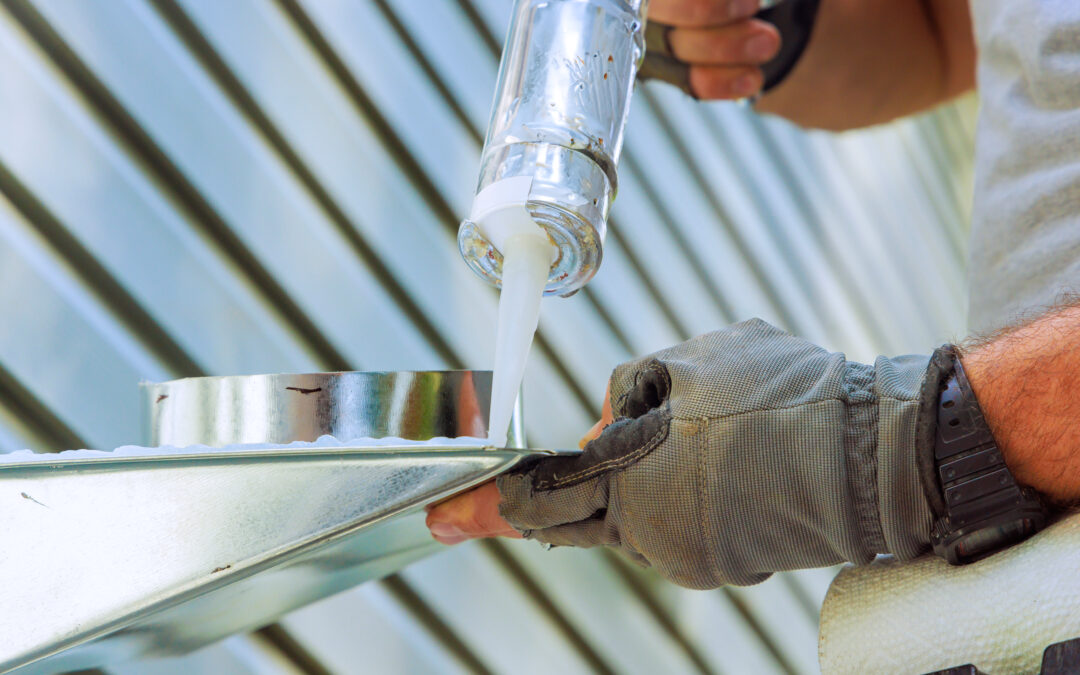
Metal roof sealant helps seal seams, joints, gaps, and other areas where water or air could enter a roofing system. Most gun-grade sealants are applied from a tube and form a bead over or within a joint. Depending on the formulation, the material may remain permanently pliable or cure into a flexible seal.

For metal roofing, flexibility matters. Panels naturally move as temperatures rise and fall, so a sealant used at a moving joint needs to accommodate that movement without losing adhesion. 

The location of the seal matters too. A product used at an exposed seam may need different properties than one placed inside a concealed joint.

Sealant also should not be treated as a substitute for proper flashing, fastening, or panel installation. It works as part of the roofing system, not as a fix for a detail that was built incorrectly.

What Is Butyl Tape for Metal Roofing?

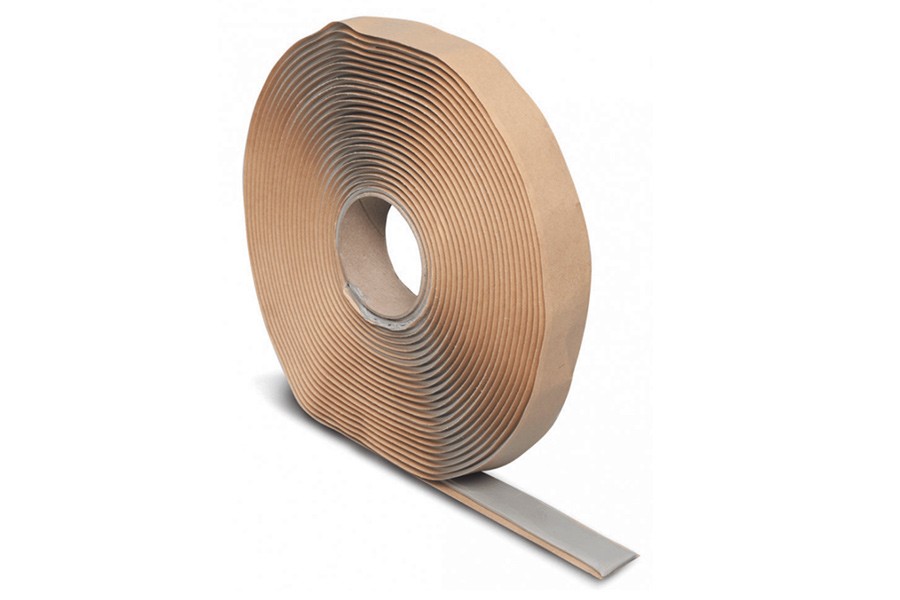
Butyl tape is a preformed sealing material typically installed between two roofing components. Instead of applying a bead from a tube, the installer lays a continuous strip of tape along the joint before the materials are fastened together. That makes it especially useful at concealed laps and other locations where two metal surfaces come together.

Butyl stays flexible, which helps it maintain a seal as a metal building experiences normal movement. There are also expanding sealant tapes that serve a similar purpose while filling irregular gaps and accommodating movement within the joint.

Sealant vs. Butyl Tape

The simplest way to think about the difference is application.

Gun-grade sealant works well when you need to apply a bead into a seam, joint, or gap. Butyl tape works well when you need a continuous seal between overlapping or adjoining components.

One is not automatically better than the other. The roof detail determines which type makes sense.

Metal Roof Sealant vs. Butyl Tape: Which Should You Use?

Different roof details put different demands on the sealing product.

Application

Product Type to Consider

Filling a seam or joint

Gun-grade sealant

Sealing a concealed metal lap

Butyl tape

Joint that moves with expansion and contraction

Flexible sealant or expanding sealant tape

Continuous seal between two components

Butyl tape

Irregular gap that needs to be filled

Gun-grade sealant or expanding tape

Detail exposed to wide temperature changes

Product rated for the expected temperature range

These are general guidelines. Always check the roofing-system requirements and the manufacturer’s installation instructions before choosing a product.

4 of the Top Metal Roof Sealants and Butyl Tapes

The right product depends on the joint, expected movement, temperature conditions, and whether the seal will be exposed or concealed.

Here are four options GNMC has tried, tested, and trusts so much that we chose to carry them at our shop.

1. EMSEAL AST Hi-Acrylic Sealant Tape

Best for: Expansion joints, lap seams, and joints that need to accommodate movement.

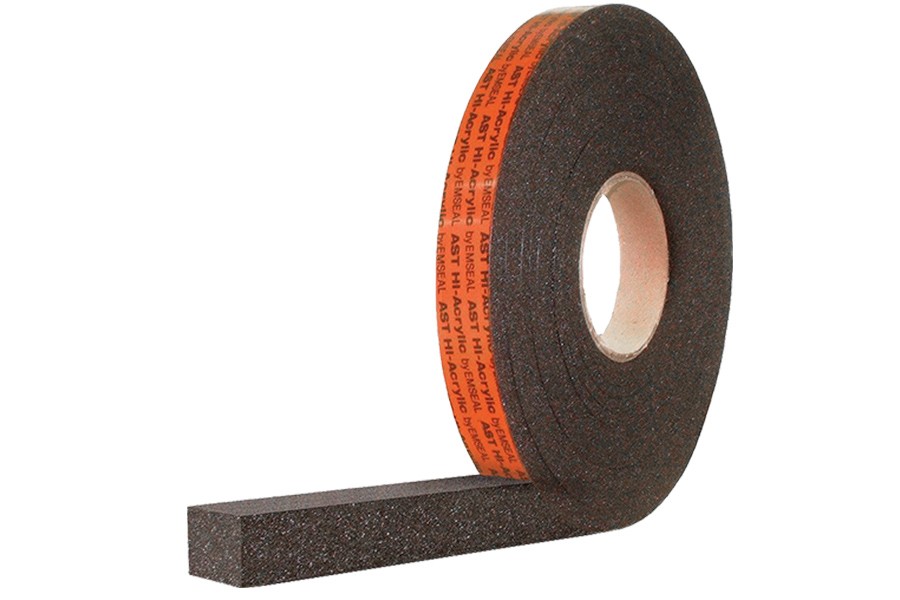
EMSEAL AST Hi-Acrylic Sealant Tape is a self-adhering, open-cell polyurethane foam tape impregnated with acrylic-modified asphalt.

Unlike a standard flat tape, EMSEAL AST gradually expands after it is removed from its packaging. That allows it to conform to the joint and fill gaps along irregular surfaces. For metal roofing and metal buildings, that can be particularly useful around details affected by thermal expansion and contraction.

Emseal AST

Why It Works Well With Metal Roofing

One of EMSEAL AST’s biggest advantages is its ability to move with the building. The tape conforms to contours and maintains a seal as metal panels expand and contract. It is designed to help keep out dust, air, wind-driven snow, and moisture through joint details.

It also does not dry out and become hard or brittle over time. Because the material remains compressed within the joint, it is designed to stay in place rather than squeeze out the way some caulks or butyl products can.

Its resistance to UV exposure, aging, and mildew also makes it well suited to demanding exterior applications.

Common Applications

EMSEAL AST can be useful for:

  • Expansion and compression joints
  • Lap seams
  • Mechanically fastened joints
  • Irregular gaps
  • Metal building details where movement needs to be accommodated

It can also be used alongside several common building materials, including metal, plastic, wood, and concrete.

Interested in EMSEAL AST? Contact GNMC

2. TFC BUTYL™ Sealant

Best for: Metal panel joints that need a permanently pliable, gun-grade sealant.

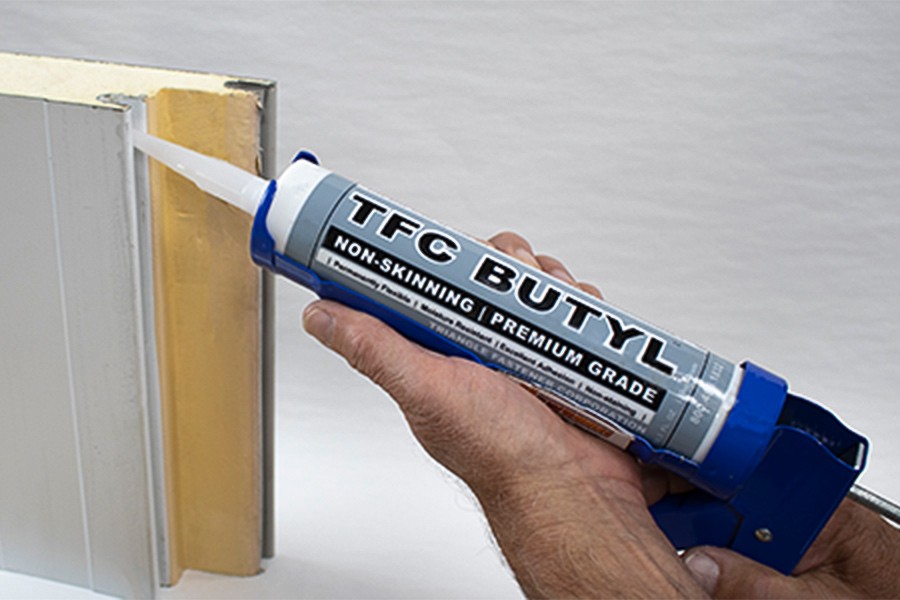
TFC BUTYL™ is a single-component butyl-based sealant designed specifically for strong adhesion to metal panels.

Its biggest distinction is that it remains permanently pliable. It does not skin over into a hard surface, which allows the material to continue moving with the joint after installation.

Why It Works Well With Metal Roofing

Metal panels do not stay perfectly still over the life of a building. Temperature changes create movement, and joints need a sealing product that can handle it.

TFC BUTYL remains flexible and moisture-resistant, which makes it useful for metal panel details where a rigid sealant would not be appropriate.

It also meets or exceeds AAMA 809.2 and is available in gray or white.

Installation Matters

Good adhesion starts with a clean surface. Before applying TFC BUTYL, the substrate should be dry and free from frost, oil, grease, incompatible coatings, or other contaminants that could interfere with adhesion.

The product is applied using a standard caulking gun and can be tooled after application if needed.

It is also worth paying attention to storage. TFC BUTYL should be kept in a controlled, dry environment below 75°F and used within 12 months of manufacture.

One other detail to know before choosing it: TFC BUTYL is not paintable.

Ask GNMC about TFC BUTYL™.

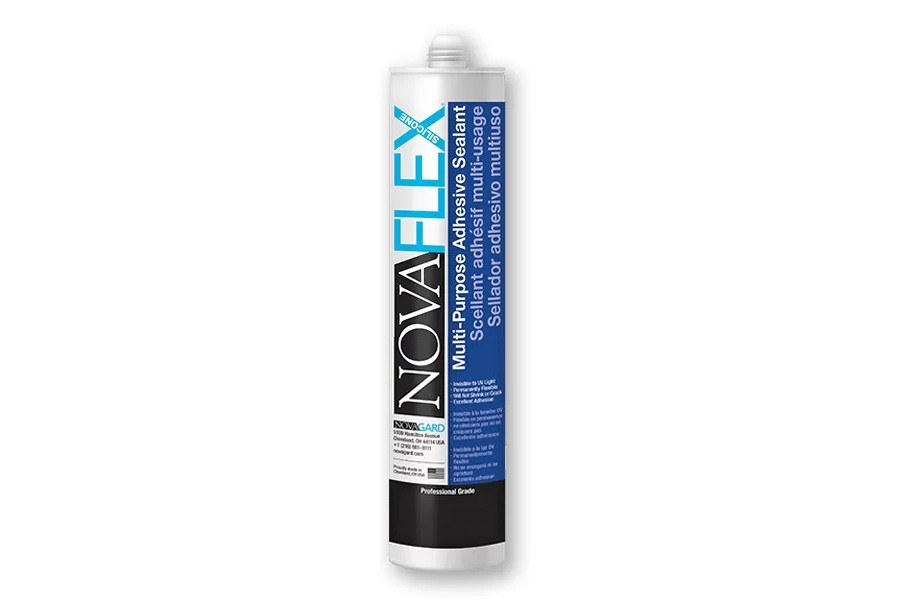
3. NovaFlex Metal Roof & Panel Adhesive Sealant

Best for: Seams, panel joints, and gaps that need a flexible cured sealant.

NovaFlex Metal Roof & Panel Adhesive Sealant is a single-component silicone sealant and adhesive commonly used as a seam sealant or joint filler in metal roofing and panel systems.

It is non-corrosive and non-sag, making it useful where contractors need a gun-grade product that will stay where it is placed.

Why It Works Well With Metal Roofing

Temperature range is one of NovaFlex’s standout characteristics. The product can be applied at temperatures from -20°F to 160°F and has a service temperature range of -40°F to 400°F.

That broad range is useful for metal roofing, where surfaces can experience substantial temperature swings.

NovaFlex also offers good adhesion to common building materials and can bridge gaps up to 3/8 inch. Its exterior weathering and aging performance make it suited to exposed building applications.

Where NovaFlex Makes Sense

Contractors may consider NovaFlex for:

  • Metal roof seams
  • Panel joints
  • Joint filling
  • Small gaps
  • Details exposed to wide temperature swings

It remains flexible at temperatures down to -10°F and is freeze-thaw stable. There are a couple of limitations worth knowing before installation. NovaFlex is not recommended for joints that will be submerged underwater, and it should not be used on surfaces that will later be painted.

Cure time also depends on temperature and humidity, so installers should account for site conditions and follow the product instructions.

Contact GNMC about product availability.

4. MB-10A Butyl Tape

Best for: Concealed metal building joints that need a continuous, flexible seal.

MB-10A Butyl Tape is an elastomeric butyl rubber sealant specifically designed around the requirements of metal buildings.

It comes extruded on silicone-coated release paper, which makes it straightforward to position during installation. It is also produced in different sizes and lengths to suit a range of applications.

Why It Works Well With Metal Roofing

MB-10A is designed to maintain its seal through normal building movement. Its combination of adhesive strength and cohesive strength helps the tape stay together and stay bonded as the assembly moves.

Temperature performance is another important benefit. MB-10A is designed to withstand extreme roof temperatures while maintaining compressibility in colder conditions. It also offers resistance to UV light and cold flow.

Those characteristics matter on metal buildings, where the material may experience a wide range of temperatures throughout the year.

Common Applications

MB-10A may be a good fit for:

  • Concealed panel laps
  • Metal building joints
  • Overlapping components
  • Details requiring a continuous butyl seal
  • Joints affected by normal building movement

Choosing the right tape size is important. The joint needs enough material to create the intended seal without using so much that the tape squeezes excessively out of the detail.

Inquire about MB-10A Butyl Tape

What to Consider Before Choosing a Metal Roof Sealant

Before grabbing a tube or roll, look at what the joint actually needs and ask yourself the following questions:

    1. How Much Will the Joint Move? Metal panels expand and contract as temperatures change. A sealing product at a moving joint needs enough flexibility to accommodate that movement.
    2. What Temperatures Will the Product See? Metal roof surfaces can get hot, and Montana projects can also see very cold conditions. Check the product’s application temperature separately from its service temperature. A sealant may perform across a wide temperature range once cured while still having specific limits for installation.
    3. Is the Joint Exposed or Concealed? A concealed panel lap has different needs than an exposed seam. Butyl tape is often a practical choice where two materials are compressed together. A gun-grade sealant may make more sense when a seam or gap needs to be filled from the outside.
    4. What Materials Is the Product Touching? Always check compatibility with the metal substrate and any adjoining materials. A product that adheres well to bare metal may have different requirements around painted finishes, other coatings, plastics, or masonry.
    5. Will the Surface Be Painted? Some sealants are not paintable. Both TFC BUTYL and NovaFlex have limitations that should be understood before choosing them for a detail that will receive a finish later.
    6. What Does Installation Require? Good products still need good installation. Surface preparation, storage, bead size, compression, and cure time can all affect the finished seal. Read the product instructions before installation instead of assuming every sealant or tape works the same way.

Frequently Asked Questions About Metal Roof Sealants and Butyl Tape

What is the best sealant for a metal roof?

The best metal roof sealant depends on where it will be used. Gun-grade sealants can work well for seams and joints, while butyl tape is commonly used between overlapping components or in concealed joints. Movement, temperature, substrate compatibility, and exposure should all factor into the decision.

Is butyl tape good for metal roofing?

Yes. Butyl tape is well suited to many metal roofing details because it creates a continuous seal between components while remaining flexible enough to accommodate normal building movement.

Is sealant or butyl tape better for a metal roof?

Neither option is better for every application. Butyl tape is often used inside laps and concealed joints, while gun-grade sealants are useful for filling seams, joints, and gaps. Some details may use both as part of the roofing system.

Does metal roof sealant need to stay flexible?

For joints that experience movement, flexibility is important. Metal panels expand and contract as temperatures change, so the sealing product needs to accommodate the expected movement without losing adhesion.

Can you use any silicone sealant on a metal roof?

No. Use a sealant that is compatible with the roofing material, coating, joint design, and expected temperatures. The product instructions and roofing-system requirements should guide the choice.

Need Metal Roof Sealant or Butyl Tape for Your Next Project?

Great Northern Metal Company carries EMSEAL AST, TFC BUTYL™, NovaFlex, and MB-10A Butyl Tape for a range of metal roofing and metal building applications.

Tell our team what detail you are working on and what you need the product to do. We can help you review the options GNMC carries and get the right product information before you place an order.

Inquire About Metal Roof Sealants

Additional Resources

Guides and How-tos
4 Tried and Tested Metal Roof Sealants and Butyl Tapes

4 Tried and Tested Metal Roof Sealants and Butyl Tapes

A metal roof is only as watertight as its details. Seams, laps, joints, penetrations, and other connection points all create places where moisture can work its way into the roofing system if they are not sealed correctly. Metal also expands and contracts as...

We Have Got You Covered

Count on Great Northern Metal Company for Expert Metal Roofing Services

Have Questions? Contact Us