Shingles? Out.
Stucco tiles? A trend that’s come and gone.
Today, metal roofing panels are the go-to choice for siding and roofing projects across the board. Known for their strength, efficiency, and clean look, they’ve become a staple in both residential and commercial construction.
When you’re taking on a metal roofing or siding project, the details matter. Choosing the right panel, understanding how it performs, and knowing what to expect along the way can make a big difference in how smoothly your project goes—and how long it lasts. That’s why our metal roofing experts have pulled together this guide: to give you a clear, straightforward resource that answers your biggest questions about metal roofing panels. Whether you’re still weighing your options or ready to start planning, this is a solid place to begin.
Table of Contents
What Are Metal Roofing & Siding Panels? | Where Can I Put Metal Panels? | Benefits of Metal Roofing Panels | Metal Panels vs. Shingles | Metal Roofing Materials | Colors & Finishes | Maintenance of Metal Roofs | Concealed vs. Exposed Fastener Panels | Popular Metal Roofing Panels | Planning Your Metal Roofing Project | Additional Resources & Glossary
What Are Metal Roofing & Siding Panels?
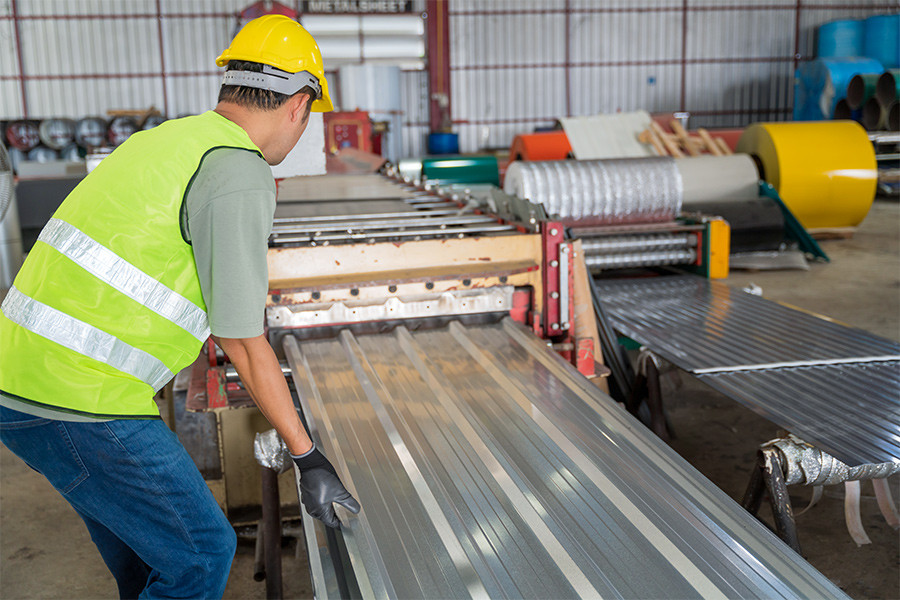
Metal roofing and siding panels are large, flat sheets of metal (usually steel or aluminum) shaped into specific profiles (ridges, waves, etc.) that interlock or overlap to form a continuous surface on a building’s roof or walls. You’ll often see it on roofs and sometimes on walls, used instead of traditional shingles, tiles, or wood siding. Instead of dozens of small pieces, you have larger sections that cover more area with fewer seams. This can mean faster installation and fewer opportunities for leaks. Plus, metal panels can be used on roofs and siding, providing a unified look and superior protection.
These panels come in various styles, from wavy corrugated panels to sleek standing seam panels with hidden seams (fasteners). They’re typically made of steel or aluminum, and they’re painted or coated for color and extra durability. Metal panels are known for being lightweight, strong, and long-lasting, making them popular for both residential and commercial construction. These panels typically work hand-in-hand with flashing and trim pieces to cover edges, corners, and ridge lines so that the roof is fully weather-tight.
Where Can I Put Metal Panels?
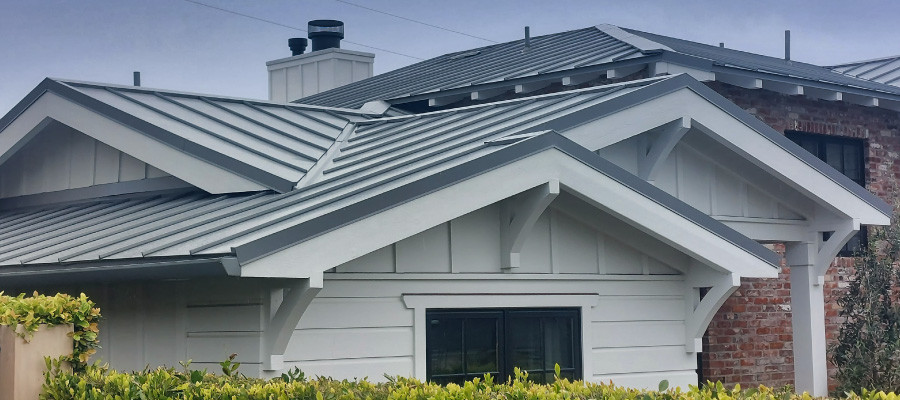
One of the greatest strengths of metal panels is their versatility. They’re not just for industrial sheds or barns (though they excel there, too!). Today’s metal panels are used in a wide range of applications:
- Residential and Commercial Roofs: The most common use, of course, is as roofing on homes, cabins, commercial buildings, barns, and more. Homeowners love them for their longevity and modern look, while businesses appreciate the low maintenance and energy efficiency.
- Exterior Siding: Metal panels aren’t limited to the roof. They can also be installed vertically or horizontally as siding on building exteriors. This is an attractive alternative to wood or vinyl siding.
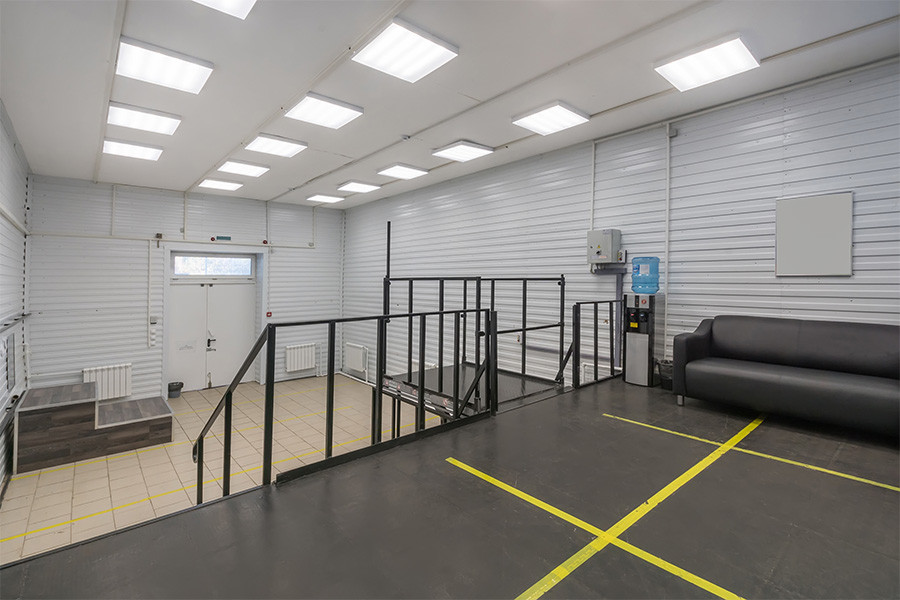
- Interiors and Accent Walls: Interior designers and architects increasingly use metal paneling for interior applications. You might find a corrugated steel accent wall in a retail store or restaurant, or white metal panels lining the inside of a garage, workshop, or agricultural building.
- Soffits and Overhangs: Metal panels are also used for soffit systems—the underside of roof overhangs or porch ceilings. Vented metal soffit panels can provide attic ventilation while giving a polished look to eaves.
- Commercial Interiors & Specialty Uses: In commercial settings, metal panels might be used for interior liners or even as ceiling panels in some designs. They’re also popular for outbuildings, sheds, agricultural structures, and more.
You could theoretically clad an entire building—roof and walls—in coordinating metal panel profiles for a cohesive look (this is common in modern architectural designs and many commercial builds). Or you can mix metal panels with other materials (like stone, wood, or glass) for contrast.
To spark some ideas, be sure to browse our Design Gallery. It showcases real projects using metal roofing and siding in residential, agricultural, and commercial contexts.
Benefits of Metal Roofing Panels
Why choose metal panels over more traditional materials? Simply put, metal roofs come with a laundry list of benefits that make them an attractive investment. Here’s an overview of the key advantages of metal roofing panels:
Exceptional Longevity
Metal roofs are built to last. A quality metal roof can easily last 40–50+ years before needing replacement, far outlasting the typical 15–20 year lifespan of asphalt shingles. Steel roofing often carries manufacturer warranties of around 30–50 years, and, with proper maintenance, many metal roofs “keep going” well beyond their warranty. This longevity means you won’t be re-roofing every couple of decades (a huge cost advantage over the long run).
Durability & Weather Resistance
One of the biggest selling points of metal panels is their toughness against Mother Nature. High winds, hail, heavy snow, torrential rain: metal roofs can handle it all. In wind tests, metal roofs often withstand gusts up to 140 mph or more, equivalent to a Category 4 hurricane!
Unlike shingles, which can tear off, interlocked metal panels create a continuous shield that’s hard for wind to penetrate. Metal panels also resist hail damage better. A properly designed metal roof might get a few cosmetic dings from very large hail, but it won’t crack or expose your home like a busted shingle would.
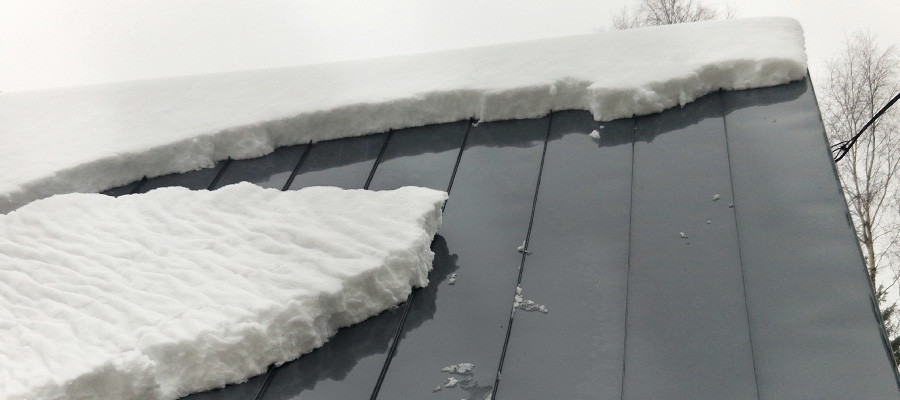
For snowy climates, metal roofs excel: their slick surface sheds snow easily, preventing heavy buildup and reducing risk of ice dams. In Montana and other cold regions, many homeowners swear by metal roofing for this reason. Snow slides off before it can cause problems. You might just need to add snow guards in some areas to control the slide.
Metal panels are also highly water-resistant. When properly installed with underlayment and flashing, they virtually eliminate leaks. No more worrying about missing shingles or water seeping through worn-out seams.
Fire Resistance
Metal roofing is non-combustible, which is a huge plus in wildfire-prone areas or for anyone concerned about fire safety. Steel and aluminum panels won’t ignite if embers land on them, and they can withstand high heat far longer than wood or asphalt materials. Most metal roofing products are Class A fire-rated (the highest rating) for their ability to resist fire. Of course, no material is 100% “fireproof”, but metal is about as good as it gets for roofing.
Energy Efficiency
Despite what you might think, metal roofs can help keep your home cooler in summer and even warmer in winter, lending to overall energy efficiency. Metal panels naturally reflect a lot of the sun’s radiant heat, especially if you choose a light color or a reflective paint finish. This means less heat is absorbed into your attic compared to a dark asphalt roof, which helps reduce cooling costs.
Secondly, the way metal roofs are often installed—on battens or with an air gap beneath—can improve insulation by allowing airflow and reducing direct heat conduction. In winter, metal’s low thermal mass means it doesn’t rapidly suck heat out of your home. Combined with good attic insulation, a metal roof can help retain heat.
Low Maintenance
Metal roofing panels are about as “set and forget” as a roof can be. They won’t rot, crack, or lose granules like other materials. You don’t need to worry about mildew or moss growing on them (as can happen with shingles). Routine maintenance usually just means keeping the gutters clean and maybe hosing off the roof now and then to remove dirt. While you should still inspect any roof periodically, metal roofs generally require far fewer repairs over their life.
Cost-Effective Over Time
It’s true—the upfront cost of a metal roof is higher than an asphalt shingle roof, but it’s an investment that pays off in the long run. Why? Because you likely won’t have to replace it for half a century (avoiding multiple shingle reroof cycles), and you’ll spend less on repairs and upkeep in the meantime. Many homeowners also find that a metal roof can increase their home’s resale value. Buyers appreciate a roof that won’t need replacement anytime soon.
Metal Panels vs. Shingles
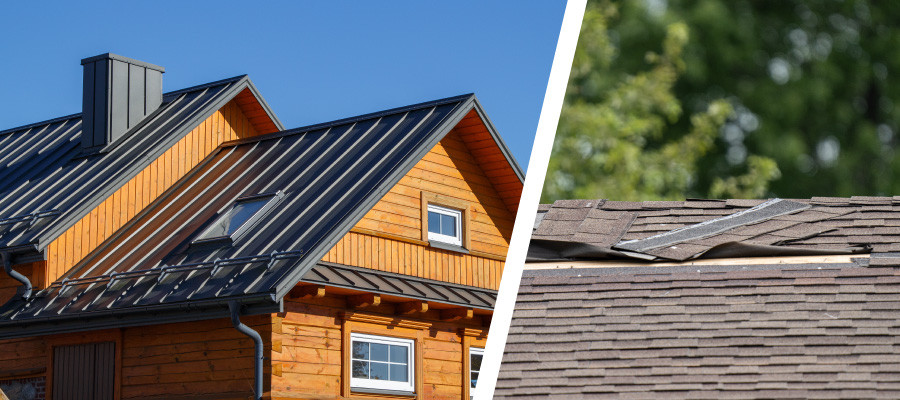
One of the most common questions we hear is how metal roofing compares to traditional asphalt shingles. Shingles have been the standard for decades, but metal panels consistently outperform them in durability, efficiency, and longevity.
A metal roof can last 50 years or more, often double or triple the lifespan of shingles, which typically need replacing after 20 years (or sooner in harsh, cold climates). When it comes to weather resistance, metal panels hold a clear advantage. They’re built to withstand high winds, heavy snow, hail, and even wildfire conditions better than shingles, which are more prone to damage, leaks, and degradation over time.
Metal roofs also excel in energy efficiency. While many assume they trap heat, they actually reflect solar radiation—especially in lighter colors or reflective coatings—helping buildings stay cooler in summer and reducing AC loads. They cool off faster at night and contribute to more consistent attic ventilation in colder months. Compared to shingles, which absorb and hold heat, metal panels offer year-round performance benefits.
On top of that, they’re low-maintenance. You won’t deal with moss, curling, or regular repairs, and even when damage does occur, sections can often be replaced without tearing up the whole roof. Aesthetically, metal roofing opens the door to modern profiles and clean lines that add architectural value and boost curb appeal.
Bottom line: while shingles might cost less upfront, they come with more maintenance, earlier replacement, and less performance. For property owners looking for longevity, resilience, and efficiency, metal roofing panels are the smarter long-term investment.
Metal Roofing Materials
One of the important decisions in planning a metal panel project is choosing the material your panels will be made of. “Metal” can mean a few different substrates, each with its pros and cons. Let’s break down the common metal roofing materials and what you should know about them:
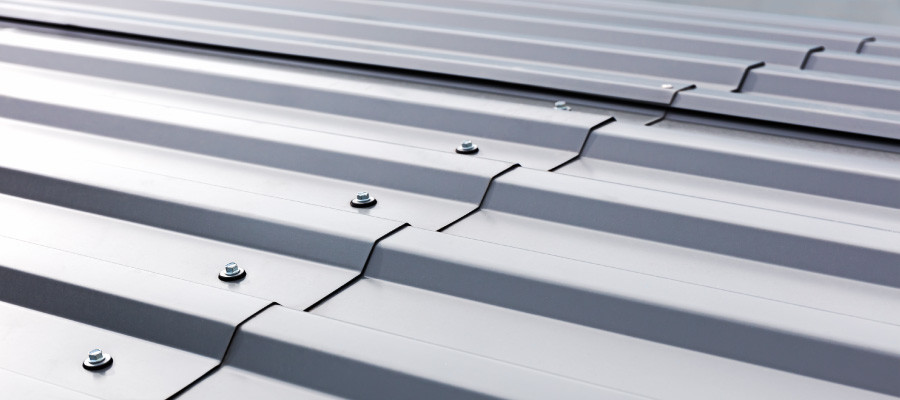
Steel (Galvanized and Galvalume)
By far the most common material for metal roofing panels is steel. Steel is strong, relatively affordable, and readily available. However, raw steel would rust quickly, so it’s always coated. The two main coatings are galvanized and galvalume.
- Galvanized Steel: This is steel coated in a layer of pure zinc. The zinc provides sacrificial protection. It oxidizes instead of the steel, forming a patina that shields the steel. These panels resist rust well in many environments, but can be prone to corrosion over time, especially in coastal (salt air) or high-humidity environments. Cut edges and scratches on galvanized steel can eventually rust once the zinc nearby is consumed.
- Galvalume Steel: Galvalume is essentially an upgraded coating: about 55% aluminum, 43% zinc, plus silicon. This combination gives two kinds of protection: aluminum provides a long-term barrier and zinc still offers sacrificial action for cuts. Galvalume typically outlasts galvanized by 2-4 times in corrosion tests. In general, Galvalume steel is the go-to for quality metal roofs due to its longevity, but it shouldn’t be used in situations where the panels are in direct contact with concrete or animal confinement.
Steel itself is relatively heavy (heavier than aluminum, lighter than tile). It’s also very sturdy. It can handle snow loads and foot traffic. Steel panels typically come in various gauges with thicker gagues being stronger and less prone to denting, but higher cost.
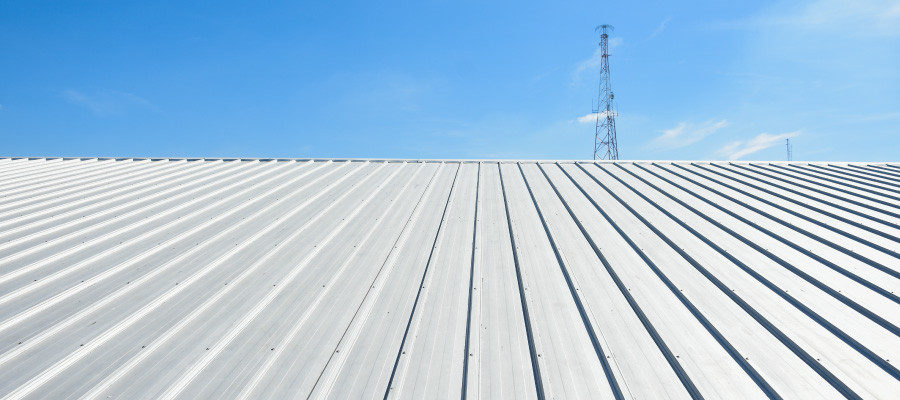
Aluminum
Aluminum roofing panels are another popular option, especially in coastal areas. Aluminum is naturally corrosion resistant, since it doesn’t have iron in it. That makes it ideal for beachfront homes or high-humidity, salty environments where steel (even galvalume) might have a shorter life. Aluminum is also lighter weight than steel, which can be an advantage if structural load is a concern. However, aluminum is softer than steel, meaning it can dent a bit more easily from hail or falling branches. It also has a higher expansion rate with temperature changes (roof design accounts for that with proper fasteners or clip systems).
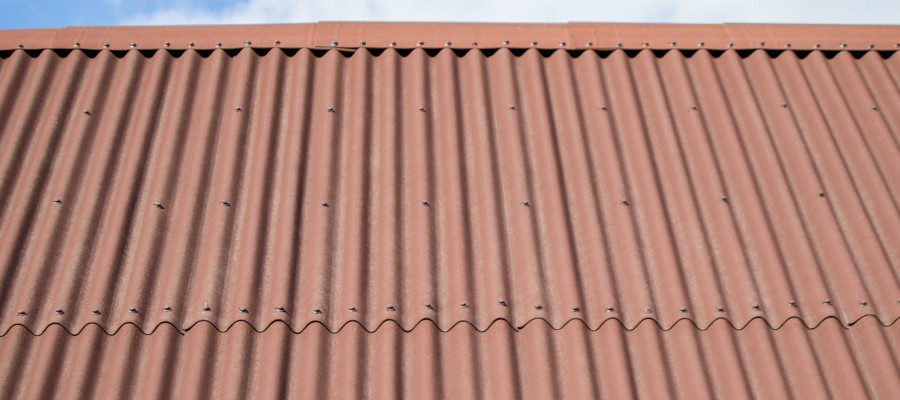
Copper
Copper roofing is the granddaddy of metal roofs, used in century-old church steeples and historic buildings with green-patina copper roofs. Copper is extremely durable (it can last well over 100 years), and it doesn’t rust (it patinas to a verdigris color which actually protects it). It’s also very malleable, great for forming into shingles, tiles, or complex shapes. The look of copper (shiny new penny color that ages to matte green) is prized by many architects. The catch: copper is very expensive. It can be several times the cost of steel. It’s usually used for decorative accents, flashings, or very high-end projects. Copper roofs are also softer metal so can scratch or dent, but in practice they still last a lifetime or more.
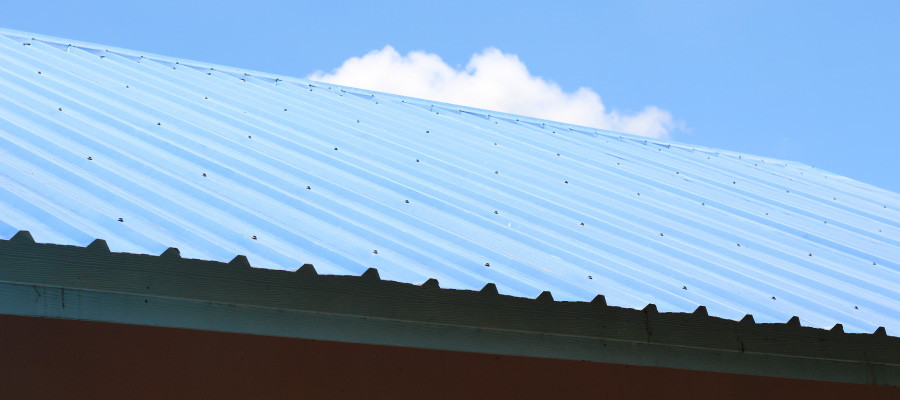
Zinc
Zinc roofing (common in Europe, less so in the U.S.) is another premium option. Like copper, zinc develops a protective patina and can self-heal minor scratches. It has a distinctive matte gray/blue appearance. Zinc panels or tiles can last 80-100 years. Zinc’s cost is high (though often a bit less than copper). It’s used on fancy architectural designs at times. One thing to watch: runoff from zinc can potentially stain other materials or impact plant life, so design needs to account for that. But as a roofing material, zinc is top-notch for durability and low maintenance.
Note: If you need recommendations for which metal panel material to use, you can always consult with us for a recommendation.
Colors & Finishes
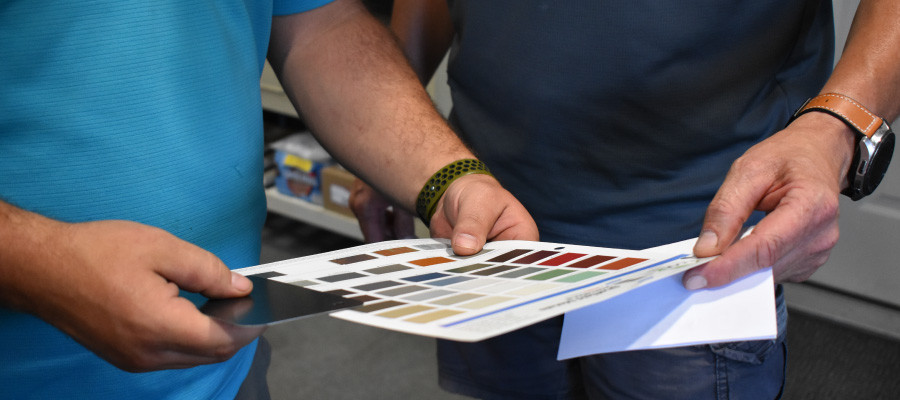
One of the fun parts of a metal roofing project is choosing the color and finish of your panels. Unlike the old days (when “metal roof” meant unpainted silver zinc or dull red barn roof), today’s metal panels come in a huge array of colors, textures, and finishes. This allows you to customize the look to perfectly suit your building’s style.
Color Options
Metal roofs can be practically any color, from neutral earth tones to vibrant hues, thanks to advanced paint systems. Manufacturers offer dozens of standard colors, and even custom colors, so you can coordinate with other building elements. Want a barn red roof? A forest green or a sleek matte black? All possible with metal panels. Keep in mind that very bright or dark colors may be subject to local HOA or zoning rules in some areas, so always check if there are any restrictions. But generally, the palette is much broader than other roofing types.
Light vs. Dark Colors
The color you choose isn’t only about style but energy efficiency. Lighter colors (think white, light grey, beige, light metal tones) reflect more sunlight, which helps keep the roof (and attic) cooler in hot weather. These are often called “cool roof” colors. Darker colors will absorb more heat, which can be beneficial in cold climates (a dark roof can help melt snow faster) but might increase cooling costs in hot summers. Choosing a color is a balance of aesthetic preference and energy needs. If energy savings are a priority, lean toward lighter or solar-reflective paint finishes that are engineered to reflect infrared light.
Paint Finishes
Most metal panel finishes are tough factory-applied paints (like Kynar 500® PVDF paint) that resist fading, chalking, and corrosion. You can typically choose between a glossy finish, satin, or matte finish. Matte and satin finishes are popular now for their modern, low-sheen look (and they also tend to hide dirt or oil-canning waves better). Glossy finishes can make colors “pop” more but will show reflections.
There are also textured finishes available, like a fine pebble-like texture that diffuses light. A big benefit of textured finishes is that they reduce glare and hide small dents or imperfections better than smooth panels. Textured or wrinkle-finish panels can be great for concealing oil canning and giving the roof a more muted, architectural look (see 4 Reasons to Consider Textured Metal Roofing for more on this).
Specialty Looks (Prints & Coatings)
If you love the look of other materials but want metal’s performance, specialty finishes can achieve that. For example, metal wood grain finishes are printed patterns that make steel siding look remarkably like real wood (knots and grain included). This gives you the warm appearance of wood without the upkeep issues. There are also finishes that mimic slate or rusted steel (Corten), etc. These can give a unique character to your project while still leveraging the strength of metal.
Should I Choose My Panel Profile First or My Color First?
If you’re trying to figure out whether to pick your metal panel profile or color first, there’s no one right answer to that question. Some designers pick the profile (shape) that suits the building and then select a color available in that profile; others pick an ideal color and then find a panel style that comes in that color. It might help to browse color charts and look at samples in person, as colors can appear different in real life than on screen. Also consider how the roof color will complement your siding, trim, and environment.
Maintenance Considerations
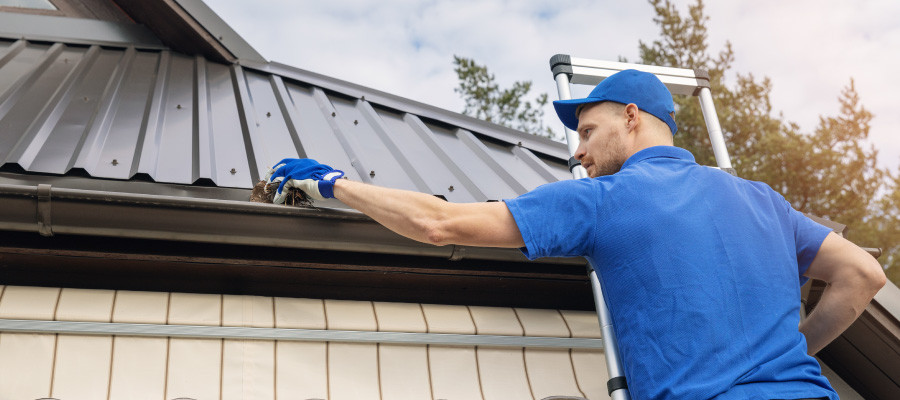
One selling point of metal roofing is lower maintenance compared to other materials. Just remember: “low maintenance” isn’t “no maintenance.” Taking care of your metal roof will ensure it protects your property for decades. Here are the key maintenance considerations:
Regular Cleaning
It’s wise to clean your metal roof periodically. Dirt, pollen, bird droppings, or leaves can accumulate over time. A gentle wash with water (and maybe a mild detergent) every year or two will keep the panels looking fresh and prevent any corrosive build-up. As we say at Great Northern Metal Company: you wouldn’t go five years without washing your car, and the same goes for your metal roof. Thankfully, metal roofing is easy to clean. Just avoid abrasive tools that could scratch the paint; a long-handled soft brush or a roof rake for leaves will do. Also, keep gutters clean, since backed-up gutters can cause water to linger on roof edges.
Repainting (or Not)
People sometimes ask, “Can I paint my metal roof a new color?” Technically yes, you can repaint a metal roof, but think twice before you do. Factory finishes on metal panels are applied under controlled conditions and baked on, making them very durable. Painting over that in the field can void your roof’s warranty and generally won’t last as long. Most metal roofs won’t need painting for 30+ years (until the original finish ages significantly). If your roof’s paint has faded after many decades, or you truly want a color change, it’s best to consult with professionals and use high-quality coating systems. But in general, if the roof is only a bit faded, a good cleaning might improve its appearance without the risks of repainting.
Oil Canning Awareness
“Oil canning” refers to the slight waviness or ripples that can appear in flat sections of metal panels. It’s a cosmetic issue only, one that does not indicate any structural problem or damage. Virtually all metal roofs have some degree of oil canning, especially in certain lights or temperatures. The good news: there’s nothing to fear from it. If you notice some panel surfaces looking a bit wavy, rest assured your roof is still as strong and weathertight as ever. Manufacturers and experts (even the National Roofing Contractors Association) consider oil canning normal and not a cause for rejection.
If you haven’t installed your roof yet and want to minimize oil canning, you can choose profiles with striations (small grooves or ridges) or thicker-gauge metal, and avoid high-gloss finishes. These steps reduce the appearance of waviness. But if you already have slight oil canning, the best “fix” is usually to live with it; it’s a subtle quirk of metal roofs that most homeowners stop noticing after a while.
Snow & Ice Management
In snowy regions, you’ll need to manage how snow behaves on your metal roof. As mentioned, metal sheds snow quickly, but, perhaps, too quickly at times. Large sheets of snow can avalanche off, which is dangerous near entrances or walkways. The solution is to install snow guards (snow breaks) on the roof. These devices hold the snow in place in winter, allowing it to melt off more gradually. If your building is in Montana or similar climates, we highly recommend snow breaks to prevent snow slides.
Another winter issue is ice damming. Metal roofs are less prone to ice dams than shingles, but they can still occur if your attic has heat leaks. Ensure you have good attic insulation and ventilation (ridge vents and soffit vents) so warm air doesn’t melt snow unevenly and refreeze at the eaves. Our Ice Damming 101 guide gives tips on preventing ice dams on metal roofs through proper design and maintenance. Regularly clearing heavy snow from roof edges (using a roof rake, if it can be done safely) is also a good practice during extreme snowfalls.
Overall, a metal roof doesn’t demand much upkeep. Just keep it clean, avoid damaging the paint, and monitor winter conditions. Most issues (like a loose fastener or minor leak) are easily fixed with an annual inspection and touch-up. Keep an eye on sealants (around flashings) and any exposed fastener screws on older roofs; replace or tighten them if needed to prevent leaks. By staying on top of these small tasks, you’ll ensure your metal roof stays in prime condition for its full lifespan.
Concealed vs. Exposed Fastener Panels
When researching metal panels, you’ll hear about fastener types, specifically concealed fastener panels versus exposed fastener panels. This refers to how the panels are attached and it’s an important distinction in installation and performance.
Concealed Fastener Panels
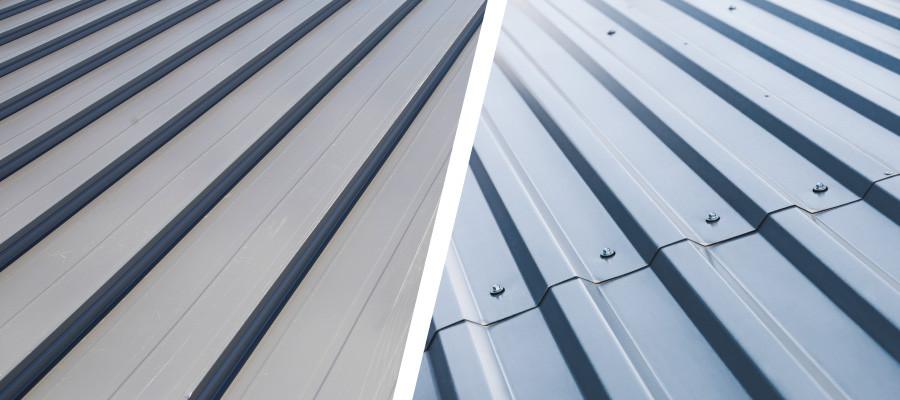
Also known as hidden fastener panels, these systems use clips or screws that are hidden under the next panel or under a trim piece. A common example is standing seam metal roofing, where each panel locks into the next, hiding the screws. With concealed fastener panels, you do not see any screws on the surface; the result is a very sleek, continuous look. Because the fasteners aren’t exposed, they’re protected from weather. This means less chance of leaks or rust around screw holes over time. Concealed fastener roofs can also handle thermal expansion better—the panels can expand/contract slightly on their clips without pulling on a screw—reducing stress.
Overall, these panels tend to have superior longevity and require less maintenance related to fasteners. The trade-off is that they are typically more expensive up front. The panels and clips are often heavier-gauge and the installation is more labor-intensive (alignment is critical). But many homeowners and architects prefer concealed fastener systems for their clean appearance and high performance. If you want a modern, high-end metal roof with minimal maintenance, concealed fastener panels are the way to go.
Exposed Fastener Panels
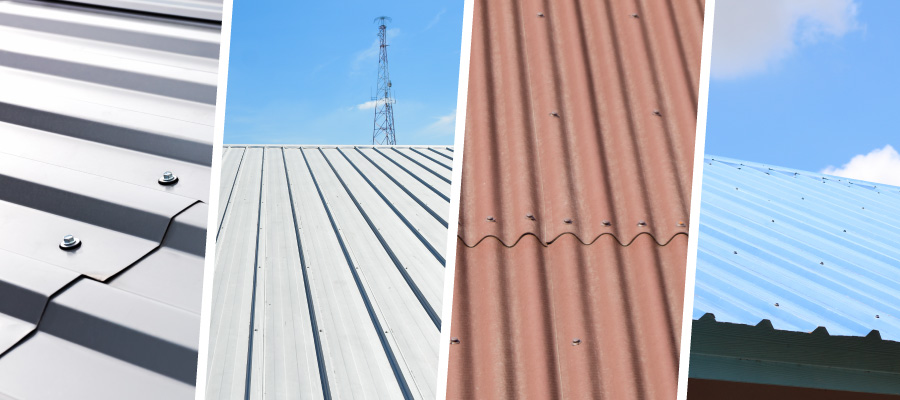
These are panels where the screws pass through the face of the metal panel, with visible screw heads and sealing washers on top. Classic corrugated metal panels, Tuf Rib panels, and many barn-style roofing panels use exposed fasteners. With these, you will see rows of screws on the roof. The big advantage here is simplicity and cost: exposed-fastener panels are generally easier and quicker to install (no special clips, and fewer precise alignment issues). This makes them more affordable for large roofs or DIY projects. They’re also very secure when first installed, with hundreds of screws holding the metal directly to the deck.
However, because those screws penetrate the panel, each is a potential site for water to get in if the washer fails. Over years, the rubber washers under screw heads can dry out or compress, and screws might loosen due to expansion and contraction of the metal. Because of this, exposed fastener roofs need periodic check-ups. It’s wise to re-tighten fasteners every so often and replace any degraded washers to prevent leaks. They might not last quite as long, leak-free, as concealed systems unless diligently maintained. Still, exposed fastener panels are very popular, especially for sheds, cabins, barns, and even homes, because of their economic value and classic look (the visible screws give a rugged, utilitarian charm some people.
Concealed and Exposed Fastener Panels: Which Should You Choose?
If you’re debating between concealed and exposed fastener panels for your project, consider your priorities. If you value a pristine look, maximum longevity, and are willing to invest more upfront, go with a concealed fastener system. If your budget is tighter or you’re covering a large area cost-effectively, exposed fastener panels can be a smart choice. Just plan on inspecting them every few years. Both types come in various profiles (for example, you can get a corrugated look in either exposed or some modified concealed forms). Many commercial buildings use concealed fastener roofing (for performance) and might use exposed fastener siding (to save cost on vertical walls where leaks are less of a risk). There’s no one-size-fits-all answer; evaluate the specific project needs.
Popular Metal Roofing Panel Profiles
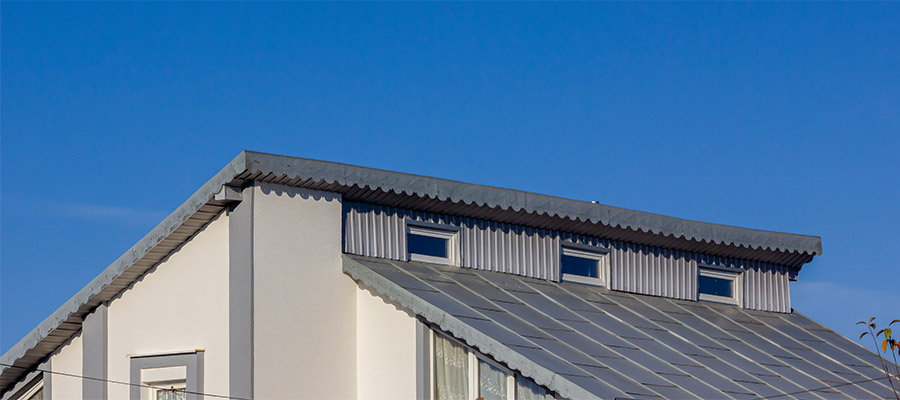
Metal roofing isn’t one product but rather a category containing many profiles (panel styles). Here are a few popular panel types you might consider for your project:
- Corrugated Panels: When many people picture a metal roof, they imagine corrugated panels, the ones with wavy ridges (often seen on barns and historic structures). Corrugated panels are typically exposed-fastener and have been around for over a century. They offer a timeless, rustic look and are very budget-friendly, which is why they’re common on agricultural buildings.
- Tub Rib Panels: Tuf Rib is a popular profile that features broad flat sections with a raised rib every 9 or 12 inches. These panels are usually installed with exposed fasteners on each rib. Tuf Rib panels provide a clean, semi-modern loo—simpler than corrugated, but with enough contour to be sturdy. They’ve traditionally been used on farm buildings, but many homeowners now choose them for residences as a cost-effective yet attractive option.
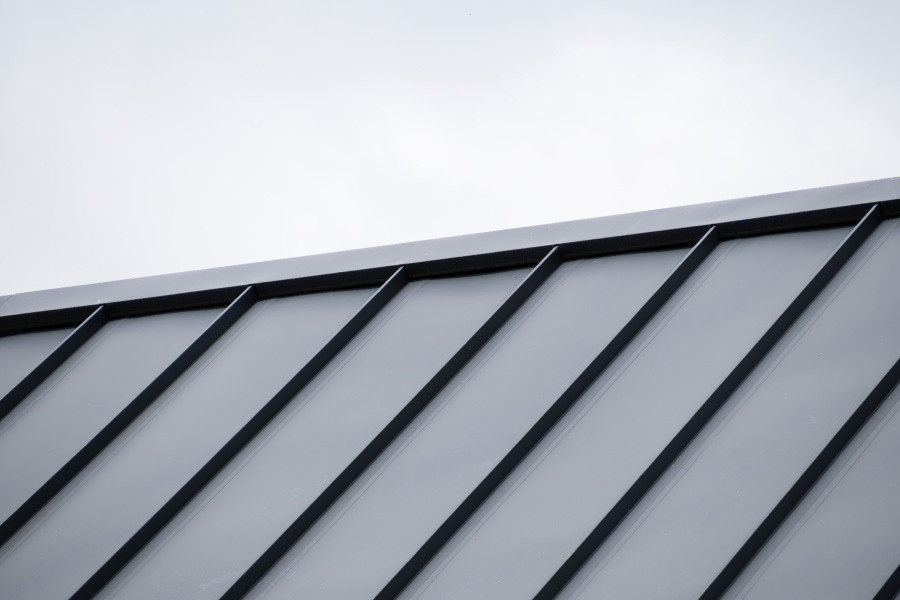
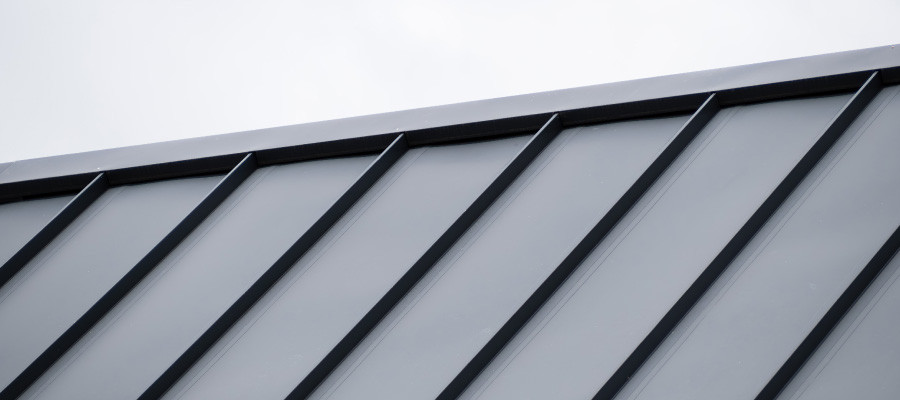
- Standing Seam Panels: This is the quintessential concealed fastener metal roof. Standing seam panels have raised interlocking seams that connect panels together, hiding the fasteners. They create elegant continuous vertical lines from ridge to eave. Standing seam is prized for its sleek appearance and top-notch weather performance. No penetrations on the surface means very little chance of leaks.
- Board-and-Batten & Shiplap Profiles: For siding (and sometimes accent roofs), profiles like metal board-and-batten or metal shiplap are used to emulate wood cladding. Board-and-batten metal siding has repeating wide flats with a pronounced raised “batten” seam, giving the appearance of vertical boards with battens covering the seams. Metal shiplap panels interlock flush, providing a smooth flat appearance with a subtle reveal, much like wood shiplap. Both give modern farmhouse or classic styles without using wood.
That’s just a sampling of popular panel profiles. The “right” one for you depends on your design goals and practical needs. If you like a traditional rustic look, corrugated or ribbed panels might appeal. For ultra-modern lines, standing seam is unbeatable. For siding, perhaps a board and batten profile for a classic touch. And remember, mixing profiles is also an option (e.g. corrugated metal wainscot on walls with standing seam on the roof).
Be sure to consult with your metal supplier; they can show you profiles in person and share which perform best in your climate and building type.
Planning Your Metal Roofing Project
A successful metal roofing project goes beyond picking the right panels. Wise planning and precise execution make up the bulk of your efforts. Here are some tips and considerations to ensure your project goes smoothly from start to finish:
Get the Specs Right
If you’re an architect or contractor, pay extra attention to specifying metal roof components correctly. Metal roofing has specific requirements (proper panel type, thickness, underlayment, clip spacing, etc.), and copying-pasting shingle specs won’t cut it. Engage a metal roofing specialist or the manufacturer early to make sure you’re choosing the right panel profile and accessories for the building’s design and climate. Getting expert input upfront can prevent costly change-orders or performance issues later.
Accurate Measurements
Measure your roof carefully before ordering materials. This includes the length and width of each roof plane, the pitch (slope), and details like overhangs, valleys, and penetrations. Metal panels are often ordered cut to length, so you want those measurements spot on. If you’re not comfortable measuring a complicated roof, consider having a professional do a take-off. It’s also important to calculate the roof pitch; certain panels require a minimum slope (often 3:12 or 2:12 depending on profile). If your roof is low-slope, you may need a specific standing seam that can handle it, or special underlayment for protection. In short, measure twice, order once!
Plan for Lead Times & Seasons
Metal panels are custom-fabricated in many cases, so lead times can be a few weeks. Don’t wait until the last minute to order. During the busy building season (spring and summer in Montana, for example), demand is high and lead times can stretch longer. It’s wise to order your roofing materials well ahead of when you actually need them, or schedule your project in a less busy season if possible. Also, consider the installation season: while metal roofs can be installed year-round, working in the dead of winter or during the height of the rainy season is not ideal. If you can time a re-roof for spring or early summer, you’ll have better weather windows. Seasonal timing can affect everything from crew availability to how well sealants cure, so plan accordingly.
Understand Warranties
Take time to understand the warranties that come with your metal roofing. There may be a paint finish warranty (commonly 30-40 years against fading/chalking beyond a certain degree) and possibly a weather-tightness warranty if installed by certified contractors (often for commercial jobs). For instance, as mentioned, repainting your roof or mixing incompatible metals could void warranties. Make sure your installer follows the manufacturer’s specs so that your warranty remains intact. Metal roofs are a big investment and their warranties are part of that long-term value, so keep all documentation and adhere to any maintenance requirements they specify.
Ordering and Installation Tips
When ordering materials, double-check everything: panel lengths, color codes, quantities of screws, clips, underlayment, etc. It’s easy to overlook something small like enough rivets for the ridge or extra closure strips, and a missing piece can delay the job. Our guide Avoid Mistakes: How to Order Metal Roofing underscores that ordering is “all in the details” and simple mistakes can happen if you’re not thorough.
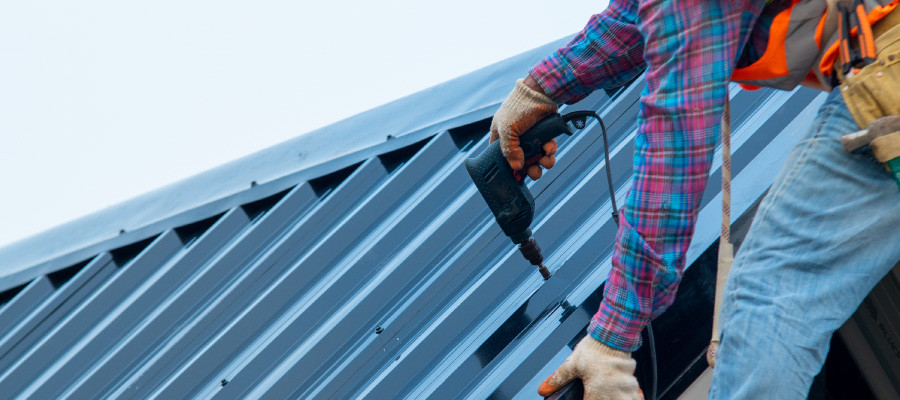
During installation, follow manufacturer guidelines or hire experienced installers. Little things like using the right screw gun settings (to not over-tighten screws) and setting panel spacing for expansion can make a big difference in performance down the road. If DIY-ing, consider practicing on a smaller shed or section first, or have a pro on standby for tricky parts. Always prioritize safety. Metal roofing installation means working at heights with large sharp panels, so use proper fall protection and caution.
Find a Trusted Supplier
A metal roof is only as good as its installation and the quality of the metal itself. Choose a supplier known for quality materials, like Great Northern Metal Company, if you’re in our region. We pride ourselves on both product quality and expert guidance). As you plan, don’t hesitate to use the resources at your disposal. Our GNMC team is always ready to answer questions, provide quotes, or share insights on the latest in the metal roofing market.
Additional Resources & Glossary
We’ve covered a lot, but there’s always more to learn about metal roofing. If you have lingering questions or want to dive into specifics, explore the resources below:
- Great Northern’s Metal Roofing & Siding Blog
- Metal Roofing & Siding FAQs
- Glossary of Metal Panel Trim Names & Types
- Glossary of Metal Roofing Terms
Connect with Our Metal Roofing Experts Today
Sometimes you just need to talk to a human to bounce off your ideas, plans, and budget needs. Don’t hesitate to contact our team at Great Northern Metal Company to talk about your project needs. We can provide personalized guidance, recommend reputable installers in your area, or give quotes for materials. We’re passionate about metal roofing and happy to help plan your successful project from start to finish.